Overview: What Is Human Growth Hormone?
Human Growth Hormone (HGH), also called somatotropin, is a peptide hormone secreted by the pituitary gland at the base of the brain. It plays a central role in childhood growth and continues, throughout adult life, to support tissue repair, metabolism, bone density, and the maintenance of lean body mass. In a medical context it is prescribed for genuine growth-hormone deficiency, but it has also drawn enormous interest from bodybuilders and from researchers studying recovery, body composition, and aging.
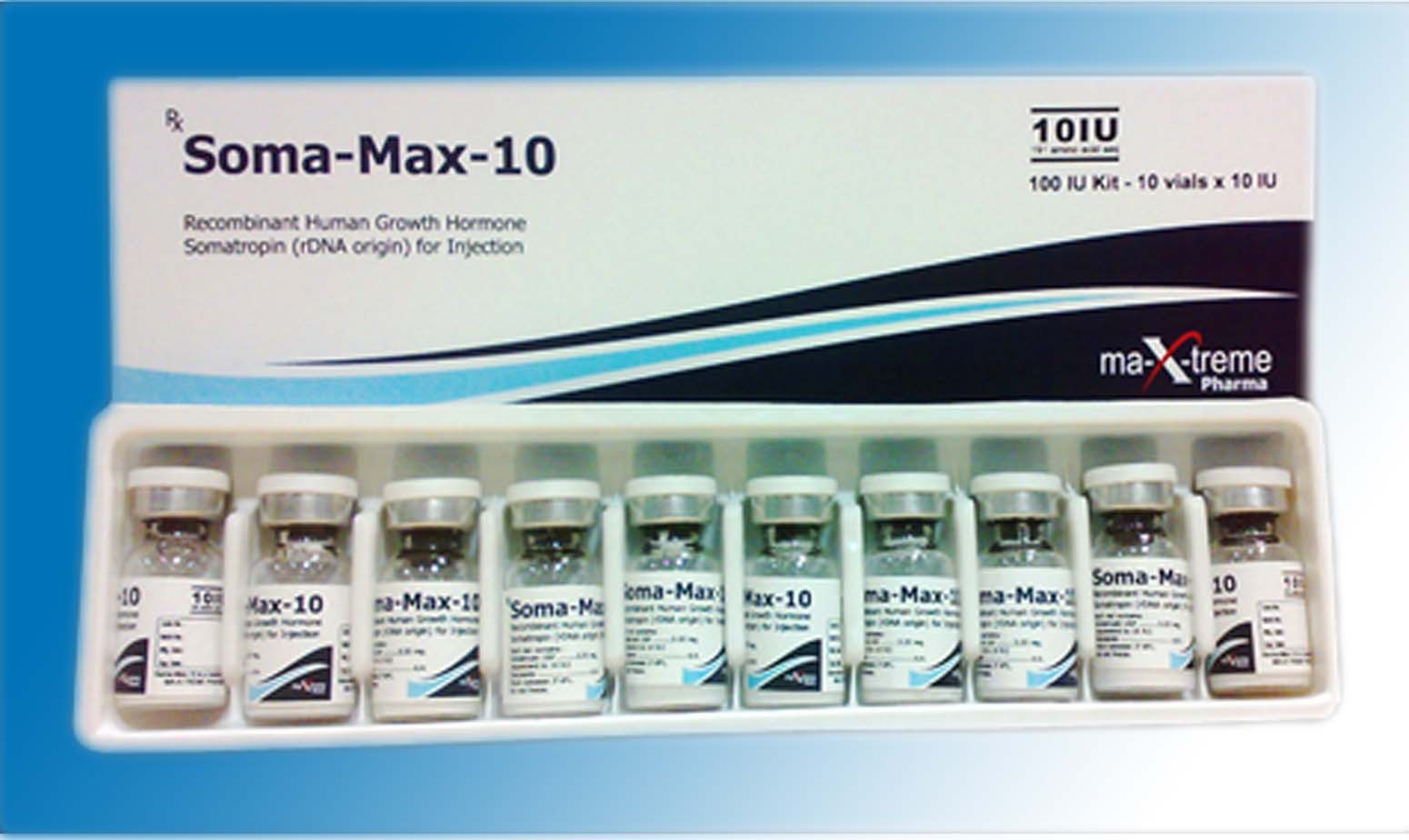
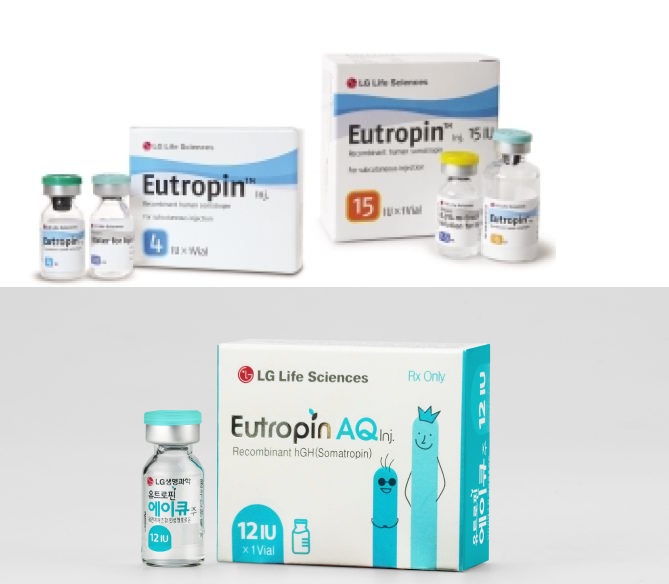
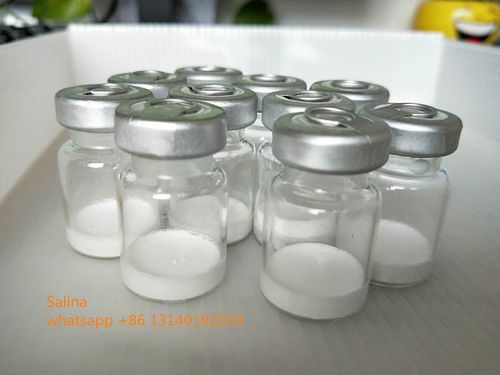
Synthetic HGH is produced through recombinant DNA technology, yielding a hormone identical to the body\'s own. It is supplied as a powder that is reconstituted with sterile water and injected subcutaneously, and it is dosed in international units (IU) or milligrams. Importantly, HGH is a peptide hormone rather than an anabolic-androgenic steroid; it works through entirely different pathways, which is part of why its effects and risks differ so much from those of testosterone-based compounds.
How HGH Works
Natural growth hormone is released by the pituitary in pulses, especially during deep sleep and after intense exercise. Once in circulation, much of its action is mediated by the liver, which responds to HGH by producing insulin-like growth factor 1 (IGF-1). IGF-1 is the downstream messenger responsible for many of growth hormone\'s anabolic effects on muscle, bone, and connective tissue. HGH also exerts direct effects of its own, notably promoting lipolysis, the breakdown of stored fat for energy, and influencing how the body handles glucose. This dual action, partly direct and partly through IGF-1, explains its characteristic profile of fat loss and tissue repair alongside its impact on blood sugar.
What the Research Shows
Clinical studies in people with diagnosed deficiency consistently show that HGH replacement improves muscle mass, reduces fat mass, strengthens bone, and enhances quality of life. The picture in healthy adults seeking performance or aesthetic benefits is more nuanced. Research suggests HGH can modestly increase lean mass and reduce body fat, but the dramatic muscle-building effects often attributed to it are not strongly supported when it is used alone. Notably, several controlled studies have found that while HGH changes body composition, it does not reliably translate into greater strength or athletic power in already-healthy people. That gap between visible body composition changes and actual performance is one of the most consistently surprising findings in the literature.
Benefits and Effects of Interest to Athletes
- Improved body composition, particularly a reduction in visceral and subcutaneous fat.
- Faster recovery of connective tissue, which some users value for joint and tendon repair.
- Enhanced collagen synthesis, contributing to skin and tissue quality.
- Better sleep quality, which itself supports recovery and overall well-being.
- A possible synergistic effect when combined with anabolic steroids, which is why advanced users often pair the two.
Typical Dosage and Administration
In bodybuilding circles HGH is often used over long periods, frequently many months, because its effects on tissue and body composition develop slowly. Doses are typically far higher than the small replacement amounts used in deficiency, which is one reason side effects become more likely. Injections are subcutaneous and are commonly timed to mimic the body\'s own rhythm, such as on an empty stomach in the morning or before bed. None of this should be interpreted as medical guidance: HGH is a powerful hormone whose use, dosing, and timing should be supervised by a qualified physician with regular monitoring.
Cycles and Stacking
Because HGH works through pathways separate from those of anabolic steroids, it is often run alongside them rather than instead of them, with the idea that the two complement each other. Its effects on fat and connective tissue make it popular in long recomposition or pre-contest phases. Some advanced users also combine it with insulin or thyroid hormone, but these combinations sharply raise the risk profile and demand close medical oversight, since HGH already affects glucose handling on its own. The slow timeline of HGH means there is little point in short runs; benefits emerge gradually over extended use.
Side Effects and Precautions
The side-effect profile of HGH grows with dose and duration. Commonly reported issues include fluid retention, joint pain, carpal tunnel syndrome, and insulin resistance that can affect blood sugar control. Because it influences glucose metabolism, prolonged high-dose use can push some users toward a diabetic-like state. At higher or prolonged doses, abnormal growth of bones, cartilage, and internal organs, sometimes described as acromegaly-like changes, becomes a serious concern, and these changes may not be reversible. Because HGH affects so many systems at once, anyone considering it should weigh these risks carefully.
HGH is a prescription medication in most countries, and its non-medical use is often restricted or prohibited, including in competitive sport, where it is a banned substance. Treat it as a serious pharmaceutical, obtain proper medical advice, and verify the legal status where you live before considering it.
HGH and Anti-Aging Claims
Much of the public interest in HGH comes from claims that it slows or reverses aging. These claims trace back partly to early small studies that reported improvements in body composition in older adults. Later, larger reviews tempered the enthusiasm, noting that the body composition changes were real but the functional benefits, such as strength and stamina, were modest and came alongside a meaningful rate of side effects like fluid retention and joint discomfort. The honest summary from the research is that HGH can change how the body looks more than how it performs, and that using it to chase youth carries real metabolic risks, particularly around insulin sensitivity, that grow with dose and age.
The Role of IGF-1 and Insulin
Understanding HGH means understanding its partners, IGF-1 and insulin. Most of growth hormone\'s anabolic signalling is carried out by IGF-1, produced largely in the liver in response to HGH. This is why IGF-1 blood levels are often used as a practical gauge of how much growth hormone is actually active in the body. At the same time, HGH tends to raise blood glucose by working against insulin, which is the mechanism behind its association with insulin resistance. This interplay explains both its fat-loss effect, since it pushes the body to use fat for fuel, and its most serious metabolic risk, since chronic high doses can strain the body\'s ability to manage blood sugar.
Monitoring and Responsible Use
Where HGH is used medically, monitoring centers on IGF-1 levels to keep the hormone within a sensible range, along with fasting glucose and markers of insulin sensitivity given its effect on blood sugar. Thyroid function is sometimes checked as well, since growth hormone can influence it. Because the most dangerous effects, such as abnormal tissue growth and metabolic disturbance, develop quietly over long periods, regular review matters more here than with many shorter-acting compounds. As throughout this article, this describes how the hormone is monitored in practice and is not medical advice; HGH is a prescription drug whose non-medical use is restricted or banned in many settings.
Frequently Asked Questions
Is HGH a steroid?
No. HGH is a peptide hormone that acts largely through IGF-1, not an anabolic-androgenic steroid. Its effects, benefits, and risks are distinct from those of testosterone-based drugs.
Does HGH build muscle on its own?
Only modestly. Research shows it improves body composition and reduces fat, but the large strength gains popularly attributed to it are not well supported when it is used alone.
Why is it used over such long periods?
Its effects on connective tissue, fat, and body composition accumulate slowly, so meaningful changes typically require months rather than weeks.
What is the most serious long-term risk?
Insulin resistance and the abnormal tissue growth seen at high, prolonged doses are the most concerning, as some of these changes can be permanent.
You may also like: Buying Anapolon
You may also like: Buy HGH online
You may also like: Methenolone Enanthate
You may also like: The myth of Anadrol
You may also like: HCG
You may also like: Oxymetholone pills