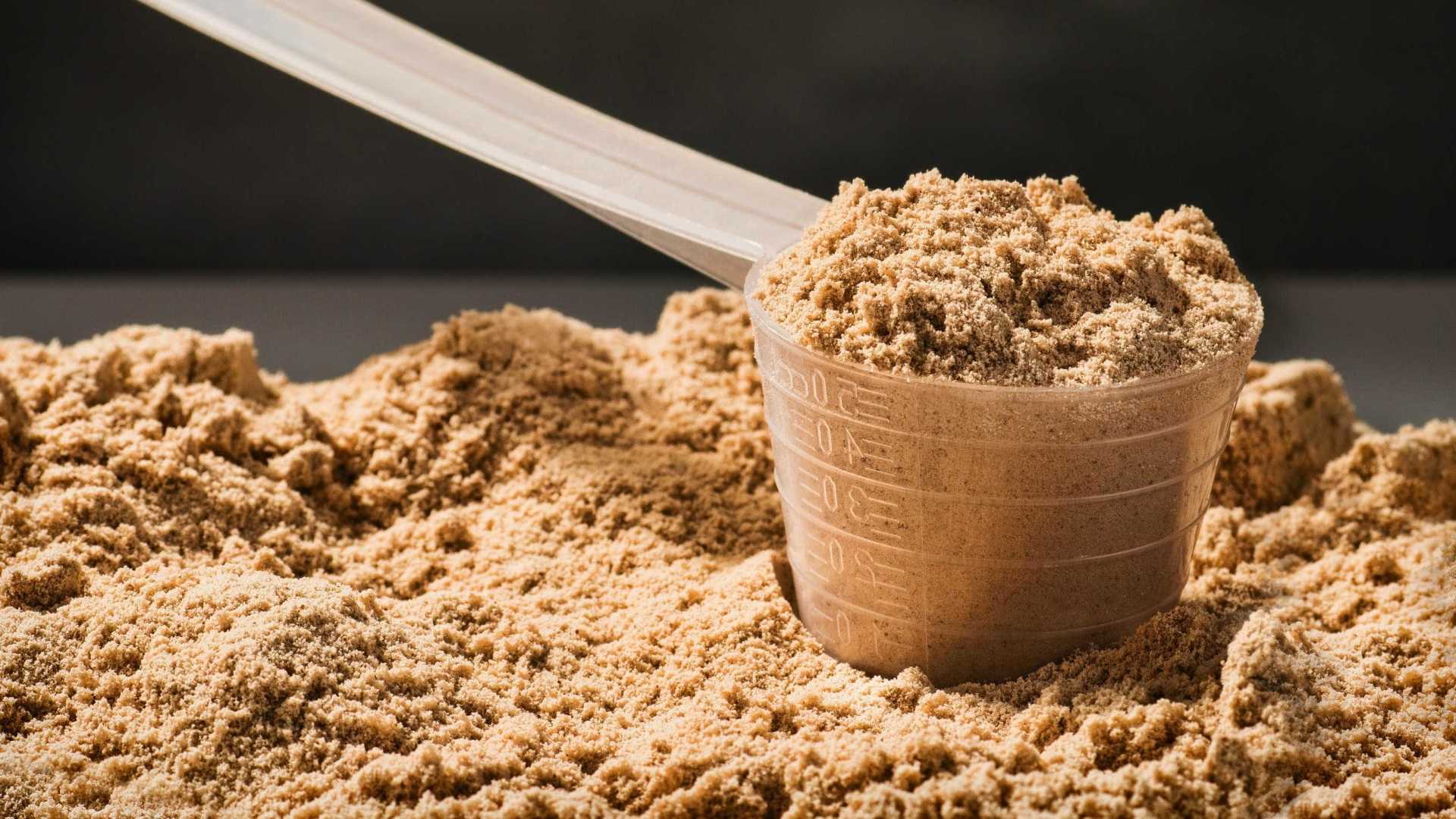
Protein powder is one of the most popular sports supplements for athletes and people who want to gain muscle mass. However, getting enough protein can easily be done by eating protein-rich foods. Extra protein from protein powders is rarely needed. Protein powders can be costly and do not have any benefits over a balanced diet, but they are convenient and make hitting a daily protein target much simpler for busy or hard-training people.
What is protein powder?
Protein powder is concentrated protein that has been extracted from a food source such as milk, soy or eggs, then dried into a powder that mixes easily with water or milk. A typical scoop provides around 20 to 25 grams of protein with relatively few calories. Its purpose is straightforward: to help you reach the amount of protein your body needs to repair and build muscle, especially when whole-food meals alone fall short.
What is protein for?
In most cases, it is used not only by athletes, but also by those who take care of their health and physically fit forms. Proper nutrition, exercise, balanced use of the required amount of protein powder are key to success. The question of the importance of this substance is most often interested in beginners. Protein supplies the amino acids that make up muscle, enzymes, hormones and connective tissue, and after training it provides the raw material the body uses to rebuild fibres stressed by exercise.
Benefits of protein powder
Protein is valued for several reasons:
- Firstly, it is easily and quickly absorbed, unlike proteins of ordinary products.
- Secondly, due to the various variations in the choice of the desired type of protein powder, you can achieve the earliest possible result when you gain muscle mass or restore it.
- Thirdly, in these mixtures there is the right amount of vitamins and minerals that support health and fitness.
- The protein has an antioxidant such as glutathione, which fights against cancer.
For most users the practical benefit is simple convenience and reliability. A shake takes seconds to prepare, travels well, and delivers a known amount of high-quality protein, which helps maintain muscle during fat loss and supports growth during a training programme.
Types of protein powder
There is also a classification of proteins by type of raw material – this is:
- whey;
- casein;
- lactic;
- soy;
- meat (especially beef);
- wheat;
- egg.
These types have their own characteristics of use and properties of exposure. Due to this, the range of their application appears to be quite large. Whey is fast-digesting and ideal around workouts; casein digests slowly and suits long gaps between meals or bedtime; soy and other plant proteins serve vegetarians and those avoiding dairy. In general, it is safe to conclude that the use of this product is health-supporting and safe for most people.

What are the advantages of eating protein-rich foods?
Protein-rich foods provide vitamins and minerals and other nutrients that are good for your health. Aim for a diet that provides protein-rich foods like milk, yogurt, lean meat, fish, chicken, legumes, soy products, nuts and seeds. Powder should complement these foods, not replace them, because whole foods bring fibre, healthy fats and a broader range of nutrients that a powder cannot match.
Who should use protein powder?
Protein powder is most useful for people whose protein needs are high or whose schedules make whole-food meals difficult: strength and endurance athletes, older adults working to preserve muscle, people in a calorie deficit who want to protect lean mass, and anyone who simply struggles to eat enough protein in a day. People who already eat plenty of protein-rich food may gain little from adding powder beyond convenience.
How to read the label
If I do use protein powders, what should I look for on the label?
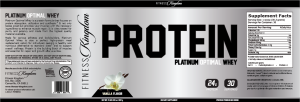
- Look for a protein powder that has a mix of protein sources. Some proteins are digested more quickly than others. Find a protein powder that has whey (milk), casein (milk) or soy protein.
- If you are using protein powder after an intense weight-training, sport or endurance workout, choose one with only whey protein. Whey protein is absorbed more quickly than casein or soy. It is a good way to quickly repair your muscles.
- Try to avoid extra fats, sugars and artificial sweeteners in protein powders.
It also helps to check the protein content per scoop against the calories, and to look for a third-party quality seal such as NSF or Informed Sport if you compete in tested sport.
How much protein powder should I use?
Use about 20 grams of protein powder right after your sports activity. This will help the most to increase your strength and muscle mass. Across the whole day, active people generally aim for roughly 1.4 to 2 grams of protein per kilogram of body weight from all sources combined, with powder filling only the gap that food leaves.
If you do not use a protein powder, eat about 20 grams of protein after your sport activity. This is about:
- 2 cups of milk
- ½ a cup of cooked meat
- 175 grams of yogurt, ¼ cup of nuts and 1 hardboiled egg
- 1 cup of soy beverage, 1 slice of bread and 2 Tbsp of peanut butter
Remember, more protein powder is not better. Too many calories whether from protein powders or food may lead to weight gain.
Timing and safety
The protein window after exercise is real but generous; what matters most is total daily protein, so spreading intake across meals beats obsessing over a single post-workout shake. For healthy people, protein powder is safe at sensible amounts. Those with kidney disease or a milk allergy should choose carefully and seek medical advice, and anyone with lactose intolerance may prefer a whey isolate or a plant-based powder.
How to use protein powder in practice
The simplest way to use protein powder is to treat it as a flexible top-up. Mix a scoop with water or milk for a quick shake after training, stir it into porridge or yogurt at breakfast, or blend it with fruit and oats for a more complete meal on the go. Because a single serving delivers around 20 to 25 grams of protein, one or two servings a day are usually enough to close the gap between what you eat and what you need. Store the tub sealed in a cool, dry place, use a clean dry scoop, and pay attention to taste and mixability, since a powder you enjoy is one you will actually keep using.
Frequently asked questions
Is protein powder necessary to build muscle?
No. Muscle is built by training plus adequate total protein, which can come entirely from food. Powder is simply a convenient way to reach that total.
Whey or plant protein: which is better?
Whey is a complete, fast-digesting protein and is the usual benchmark. Quality plant proteins, especially blends like pea and rice, can be just as effective for muscle goals and suit vegans and those avoiding dairy.
Can protein powder make me gain fat?
Only if it pushes your total calories above what you burn. Used to replace other calories rather than add to them, it will not cause fat gain.