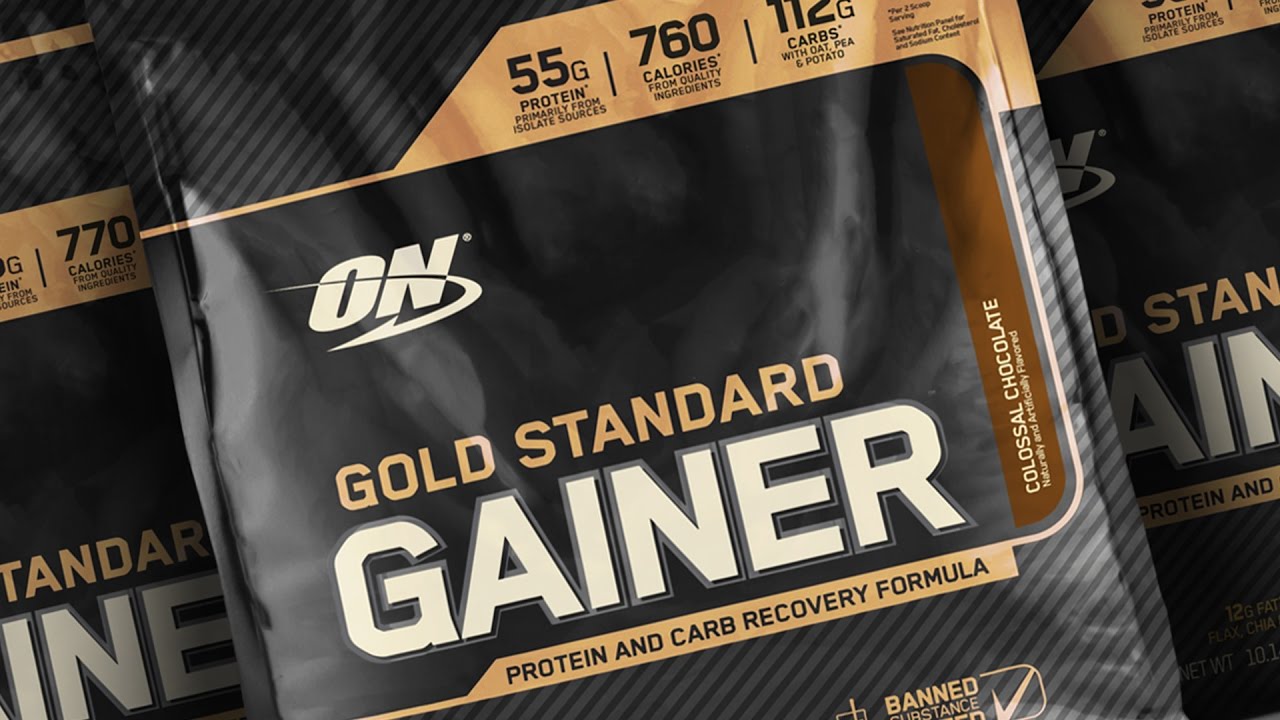
Weight Gainer is a sports supplement used to gain weight and increase overall body mass. A gainer usually consists of a mixture of fast-absorbing carbohydrates and proteins (most often whey isolate), and in some cases creatine, vitamins and minerals are also added. The word gainer comes from the English verb to gain, meaning, in this context, building mass. A single large serving can supply several hundred to well over a thousand calories, which is what makes it so useful for people who struggle to eat enough.
A weight gainer alone is rarely enough for dramatic size and strength — many bodybuilders combine proper nutrition with anabolic steroids for bulking to accelerate results.
Gainer is recommended for naturally thin athletes (ectomorphs) who have difficulty putting on muscle. The role of this supplement in muscle growth is both to increase the overall caloric intake and to transport nutrients to the muscles more efficiently by raising the level of insulin in the blood.
What is a weight gainer made of?
At its core a gainer is a carbohydrate-to-protein blend, often in a ratio somewhere between two-to-one and five-to-one in favour of carbohydrates. The carbohydrate is usually maltodextrin or oats, the protein is typically whey or a whey-casein blend, and the fat content is generally low. The point of the high carbohydrate load is simply to pack a lot of easily consumed calories into a drink, which is far easier for many people than eating an extra large meal.
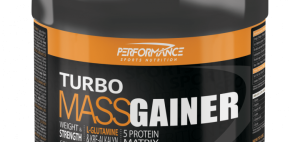
Who needs a gainer?
- Ectomorphs. Long-term nutrition with complex carbohydrates is the only way to overcome the mass barrier and start growing. Almost any kind of gainer is suitable for them, since a true ectomorph is not prone to gaining fatty tissue and is therefore less vulnerable to the side effects of overdoing sports nutrition.
- Hardgainers. These are people who cannot gain muscle mass because of nutritional deficiencies or physical characteristics.
- People who have a busy daily schedule. In this case, a gainer can replace a full meal, helping to reduce catabolic processes while maintaining a high level of anabolism.
- People taking AAS. Because of increased synthesis of the male sex hormone, the need for nutrition and protein increases significantly.
- Crossfitters. The nature of crossfit training implies high energy costs, including glycogen. To help prevent rhabdomyolysis it is important to maintain a large calorie surplus in the offseason (up to several servings of a gainer per day).
- Powerlifters. For them the source of energy is less important, so the gainer is a factor that makes it possible to achieve a serious surplus of carbohydrates in the diet easily and without stress on the gastrointestinal tract.
Positive effects of a gainer
With regular and measured use of a carbohydrate-protein mixture, gainers can:
- Quickly provide athletes with additional energy (the key factor here is the speed and efficiency with which the gainer works);
- Have a positive effect on the increase in muscle mass;
- Help with long-term, low-intensity aerobic exercise (so the gainer is suitable not only for bodybuilders, but also for footballers, basketball players and track and field athletes);
- Promote rapid recovery after training or competition;
- Suppress the processes of catabolism (breakdown of muscle protein);
- Help to maintain weight at the level necessary for the athlete (provided the training regimen and sports diet are followed).
How to use a weight gainer
A gainer is used to top up calories around your existing meals, not to replace a balanced diet. Many people take a serving after training, when the body readily absorbs carbohydrates and protein, and some split a serving to drink between meals on busy days. Start with a smaller portion, perhaps half the label serving, and increase gradually to avoid digestive upset and unwanted fat gain. Mix it with water for fewer calories or with milk for even more, and adjust the amount to the surplus your goals actually call for.
Gainer versus protein powder
The main difference is calories. A protein shake delivers mostly protein with little energy, while a gainer adds a large dose of carbohydrates on top. People who add fat easily, or who already eat enough carbohydrates, often do better with a plain protein powder, while genuine hardgainers benefit from the extra calories of a gainer.
Do gainers cause harm?
Gainers, like other sports nutrition products, do not in themselves pose a danger to your body. The main practical risk is unwanted fat gain if you take more calories than you can use, which is why people prone to gaining fat should be cautious and may prefer a plain protein. The key is to choose a quality product, avoid low-grade ones with excessive cheap sugar, and match the serving size to your real needs.

Weight gainer: conclusion
So, gainers are a very popular food supplement, intended mainly for gaining muscle mass. They are recommended first of all for people who lead active lifestyles and experience increased stress during training. In bodybuilding, gainers are among the most popular products of all.
People who are prone to gaining fat should be wary of gainers, and it makes sense for them to focus on protein instead. Remember, a gainer is not a substitute for good nutrition and not a magical substance that will build your muscles for you; it is an effective nutritional supplement that supports muscle growth, so it should be used thoughtfully and in the right amounts.
How to choose a quality gainer
Not all gainers are equal. Check the carbohydrate source first: oats, complex carbohydrates and a moderate sugar content are preferable to a product built almost entirely on cheap dextrose and sugar. Look at the protein, which should come mainly from whey or a whey-casein blend rather than low-grade fillers. Then weigh up the calories per serving against your needs, since a single 1,200-calorie scoop may be far more than a lean trainee should add at once. Added creatine, vitamins and digestive enzymes are useful extras, but a clean carbohydrate-and-protein base is what matters most.
Frequently asked questions
Will a weight gainer make me fat?
It can if you consume more calories than you burn. Used as a measured surplus alongside hard training, most of the gain goes towards muscle; taken carelessly on top of an already-large diet, it will add fat.
When should I drink a gainer?
A common time is straight after training, but it can be taken at any point in the day where you need extra calories, including between meals or in place of a missed meal.
Can I make my own gainer at home?
Yes. Blending oats, milk, a banana, peanut butter and a scoop of protein powder produces a homemade high-calorie shake that does much the same job, often more cheaply and with whole-food ingredients.