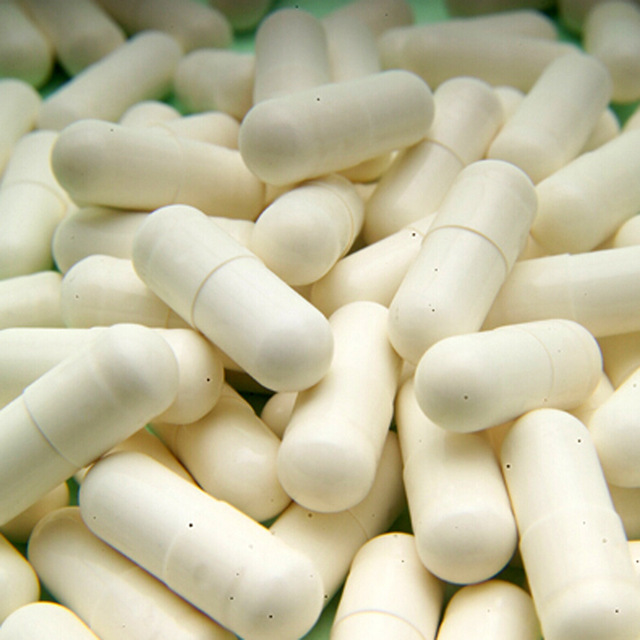
Glucosamine sulfate is a substance found in the fluid around your joints. Supplements containing glucosamine sulfate may come from natural sources such as shellfish or they can be made in a laboratory. It is one of the most widely used supplements for joint comfort, especially among older adults and athletes who put repeated stress on their knees, hips and spine.
What is glucosamine?
Glucosamine is an amino sugar that the body produces naturally from glucose and the amino acid glutamine. It is a raw material the body uses to build and repair cartilage, the smooth, cushioning tissue that covers the ends of bones inside a joint, as well as the lubricating synovial fluid. As we age or place heavy demands on a joint, the natural repair process can struggle to keep pace with wear, which is the rationale behind supplementing.
In supplements glucosamine appears mainly in two forms: glucosamine sulfate and glucosamine hydrochloride. Most of the positive clinical research has used the sulfate form, often combined with chondroitin, another cartilage component.
The main positive properties
Approved for use in the treatment of arthritis in more than 70 countries around the world, glucosamine can reduce pain and inflammation, increase mobility, and help restore knees, hip joints, spine and arms that deteriorate with age or are damaged due to injuries. Recent studies have shown that supplement may be even more effective for relieving pain and inflammation than non-steroidal anti-inflammatory drugs (NSAIDs), such as aspirin and ibuprofen, usually taken by patients with arthritis.
Moreover, whereas NSAIDs mask arthritic pain, they do almost nothing to slow down the development of the disease – instead, they also worsen the situation, hindering the natural processes of cartilage repair. In contrast, glucosamine helps restore cartilage and damaged joints. Although it may not be of much help for people with pronounced arthritis, whose cartilage has already been completely destroyed, it may be useful to millions of people with mild or moderate symptoms of the disease.
How does glucosamine work?
Research on the use of glucosamine-containing supplements for joint health and reducing joint pain has been going on for more than four decades. However, so far it has not been possible to find out exactly how glucosamine and chondroitin work. It is only known that this supplement is the main component of the joint fluid and some components of connective tissues, including articular cartilage.
The leading theory is that supplemental glucosamine supplies extra building blocks for the cartilage matrix and may gently dampen the inflammatory enzymes that break cartilage down. Because any effect builds slowly, glucosamine is taken as a long-term maintenance supplement rather than as a fast-acting painkiller. Many users notice little in the first few weeks and judge the benefit only after two to three months of consistent use.

Useful properties of glucosamine
Long-term follow-up studies have shown that taking glucosamine helps slow the development of chronic arthritis and reduces pain in osteoarthritis. In addition, in the course of studies that lasted from twelve weeks to three years, it was found that regular consumption of this supplement helps reduce pain in subjects suffering from joint pain.
Who should consider glucosamine?
Glucosamine is most often used by people with mild to moderate osteoarthritis, particularly of the knee, and by active individuals who want to support joints exposed to repeated impact. It tends to suit those looking for a gentle, long-term option to use alongside, or sometimes instead of, regular anti-inflammatory drugs. People with advanced joint damage, where cartilage is largely gone, are less likely to feel a difference.
Can glucosamine prevent joint damage?
Some athletes take glucosamine supplements in the hopes of preventing or reversing joint damage caused by intense sports or very long sports sessions. Unfortunately research does not show that using supplement will prevent or reverse wear and tear on the joints.
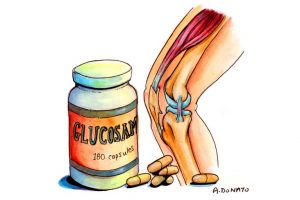
How much glucosamine should I take?
The dose used in most successful studies is 1,500 mg of glucosamine per day. This is often taken as a single dose or split into three 500 mg servings with meals, and it is frequently paired with around 1,200 mg of chondroitin sulfate. Because the effect develops gradually, a trial of at least two to three months is usually recommended before deciding whether it helps. If there is no benefit after that period, continued use is unlikely to add value.
Timing and how to take it
Glucosamine is not tied to workout timing the way a pre-workout supplement is; consistency matters far more than the exact hour. Taking it with food can reduce the chance of mild stomach upset. Spreading the dose across the day with meals is a common approach. As with any joint supplement, give it time and keep the dose steady rather than starting and stopping.
Interaction with other drugs
In general, glucosamine is considered safe for co-consumption with other drugs. However, it interacts with some blood thinners, immunomodulators and anticancer drugs. If you are taking these drugs, be sure to consult your doctor to identify potential risks. People with diabetes should also monitor their blood sugar, as glucosamine is an amino sugar, although most studies have not found a meaningful effect on glucose control.
Can I get enough glucosamine with food?
Despite the fact that chitin used to produce glucosamine is mainly obtained from natural sources (crustacean shells, in particular, shrimps, crabs and lobsters), it is obvious that no one eats an organic shell of seafood, therefore getting enough glucosamine through diet is almost impossible. This is precisely why a concentrated supplement, rather than diet, is the practical way to raise intake.
Safety and possible side effects
This supplement is likely safe when you take it as directed. Read labels carefully if you have a shellfish allergy. Some supplements brands may contain shellfish ingredients, although shellfish-free versions made by fermentation are also available. Speak to your health professional before starting a glucosamine supplement so that he or she can help you decide what is right for you.
Since glucosamine is a natural substance produced by our body, it is, in fact, devoid of serious side effects, although long-term scientific research is still limited. Those taking supplements with glucosamine may rarely experience minor side effects from the gastrointestinal tract, such as heartburn, nausea or loose stools. These are usually mild and often ease when the supplement is taken with food.
Facts and recommendations
Supplements with glucosamine and chondroitin are the best additional source of this substance, since its sources among food products are extremely limited. The shells of shrimps, crabs and oysters are relatively rich in glucosamine. For best results, combine the supplement with sensible joint care: maintaining a healthy weight, staying active with low-impact exercise and strengthening the muscles around affected joints.
Latest scientific data
- A study conducted in China at the Beijing Medical College Hospital and included 178 patients with signs of osteoarthritis of the knee showed that taking 1500 mg of this supplement per day was just as effective in reducing symptoms as Ibuprofen per day. and, at the same time, it was much better tolerated by patients;
- San Diego scientists are confident that oral administration of glucosamine for several days immediately after surgery can speed recovery. It can also reduce the formation of scars after surgery and the complications that follow them, which is why we can talk about other, in addition to the above, areas of use of this additive.
Frequently asked questions
How long before glucosamine works?
Most people who respond notice a difference only after four to eight weeks of daily use, and the full effect may take two to three months. It is a slow, cumulative supplement, not an instant painkiller.
Sulfate or hydrochloride: which is better?
Glucosamine sulfate is the form used in most of the studies that reported benefit, so it is the more commonly recommended choice. Hydrochloride is more concentrated but has less supporting evidence.
Can I take it if I am allergic to shellfish?
Most glucosamine is derived from shellfish shells. If you have a shellfish allergy, choose a vegetarian or fermentation-derived product and check the label carefully.