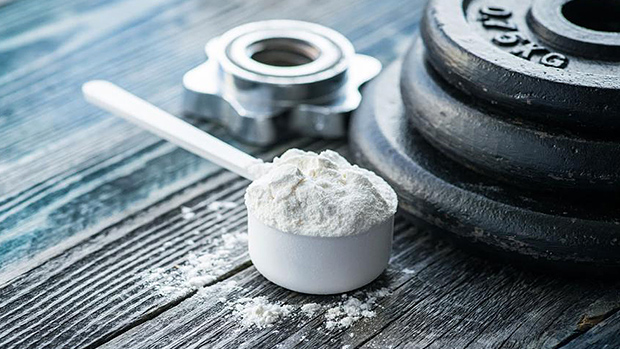
Creatine is naturally made by our kidneys and liver. It is carried throughout the body in the blood and provides energy to your muscles. Your body makes most of the creatine you need, but it is also found in meat, poultry and fish. Creatine supplements have a much higher dose than what is found in foods, which is why they remain one of the most popular and widely studied products in sports nutrition.
What is creatine?
Creatine is a compound built from three amino acids: arginine, glycine and methionine. About 95 percent of the body store is held inside skeletal muscle, with the remainder found in the brain, kidneys and liver. Inside the muscle most of it exists as phosphocreatine, a high-energy molecule that the cell can draw on instantly. A typical adult holds roughly 120 grams of creatine and turns over a couple of grams each day, replacing it through diet and internal synthesis.
Because dietary sources are limited and partly destroyed by cooking, many people, especially vegetarians and athletes, carry less creatine than their muscles could hold. Supplementing simply tops up those stores so the muscle is fully saturated.
What does creatine do and how does it work?
The effect of creatine appears gradually with regular use, as it tends to accumulate in the tissues of the body (primarily in the muscles). The main function of creatine is to provide the body with energy during physical exertion. During strength training, creatine energy is first used, and only then – the energy of ATP, glycogen and other nutrients.
In more detail, muscles run on adenosine triphosphate (ATP). During short, intense effort ATP is spent within seconds and must be regenerated. Phosphocreatine donates a phosphate group to rapidly rebuild ATP, allowing you to maintain power for a few extra repetitions or seconds. Fuller creatine stores mean faster ATP recovery between sets, which over weeks of training can translate into greater work capacity and adaptation.
Among other things, this supplement helps neutralize acids formed during exercise – this reduces muscle fatigue. Muscles from creatine become more voluminous, as it increases the amount of fluid stored in the sarcoplasm. Total weight gain with regular use of this supplement can be up to 3-5 kg, much of which is intracellular water in the early stages rather than fat.
Benefits and who should use it
Creatine has been shown to improve how well a person can perform activities that require short bursts of energy. You may benefit from this supplement if you do activities like:
- Running or biking sprints
- Team sports like hockey, football and basketball that require short power bursts
- Weight-lifting and strength-training
If you participate in endurance sports like long-distance running, this supplement may not give you a lot of benefit, although some athletes use it to help refill muscle energy stores between hard sessions. Beyond raw strength and power, regular users often report being able to complete more total training volume, recover faster between sets and gain lean mass more readily when training is consistent.
Interest has also grown in non-athletic uses. Because the brain stores creatine and uses ATP heavily, researchers are studying possible benefits for memory and mental fatigue, particularly in older adults and in people who eat little meat. These uses are promising but less established than the well-documented gains in muscular power.
How much creatine should I use?
As with all supplements, getting more than you need is not helpful. The amount of this supplement that is shown to help with sport performance is:
- 15 to 25 grams per day for 5 to 7 days as the starting dose
- 2 to 5 grams per day afterwards for the next few months
The first phase is the optional loading phase, usually split into four or five smaller doses across the day to fill the muscles quickly. The lower daily amount is the maintenance dose that keeps stores topped up. You can skip loading entirely and simply take 3 to 5 grams per day; muscles still reach full saturation in roughly three to four weeks, just more slowly. Creatine works on a saturation basis, so the exact time of day matters far less than taking it consistently every day.

Timing and how to take it
Because creatine accumulates over time, daily consistency beats precise timing. That said, taking it close to a workout, paired with a carbohydrate or a protein-plus-carbohydrate meal, may modestly improve uptake thanks to the insulin response. Dissolve the powder in water or juice and drink plenty of fluids through the day, since creatine draws water into the muscle. If you stop supplementing, levels simply drift back to baseline over a few weeks with no rebound or withdrawal.
What to look for on the primobolan 400mg/week results package?
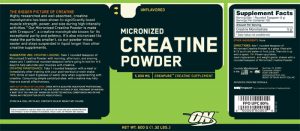
Look for a creatine supplement that contains creatine monohydrate. Newer forms such as hydrochloride, ethyl ester or buffered creatine are marketed as superior, but monohydrate remains the benchmark for proven results and value. This is the form of creatine that has been studied the most and is the recommended type to use. This supplement combined with a carbohydrate (like dextrose or other sugars) is best absorbed by your muscles.
If you are buying a supplement, look for a natural product number (NPN) or drug identification number (DIN). These numbers tell you if the product has been reviewed by Health Canada and is safe to use. A third-party quality seal such as Creapure or an NSF or Informed Sport certificate is a further sign of a clean, accurately labelled product.
Safety and side effects
Today this supplement is the most studied sports nutrition product. Numerous experiments and scientific research did not reveal any side effects for a healthy person when they were taken. Regular consumption of doses up to 3 g of supplement per day is categorized as the minimal risk of side effects for health. The most common complaints are mild and avoidable: stomach upset or bloating, usually from taking a large dose at once or from not drinking enough water. Splitting the dose and staying hydrated solves most issues.
Despite all the safety of creatine, people suffering from chronic diseases (primarily asthma and various food allergies), as well as pregnant women and people who have undergone serious surgery, are advised to consult with their physician before taking this supplement. Creatine supplements are not recommended for anyone under 18 years of age as well as pregnant or breastfeeding women. Speak to a health professional before taking supplements. Always read and follow the instructions on the package when taking this supplement.
Frequently asked questions
Does creatine cause water retention or bloating?
It does pull water into the muscle cells, which adds a small amount of scale weight in the first weeks. This is intracellular water that contributes to muscle fullness, not the puffy under-the-skin look. Drinking enough fluid keeps any bloating to a minimum.
Is creatine bad for the kidneys?
In healthy people studies have repeatedly found no harm to kidney function at recommended doses. People with existing kidney disease should speak to a doctor before using it.
Do I need to cycle creatine?
No. There is no evidence that the body stops responding, so continuous daily use at a maintenance dose is fine. Cycling on and off simply means your stores drop during the off weeks.
Can women take creatine?
Yes. Creatine works the same way in women, supporting strength and training performance, with the same safety profile seen in men.