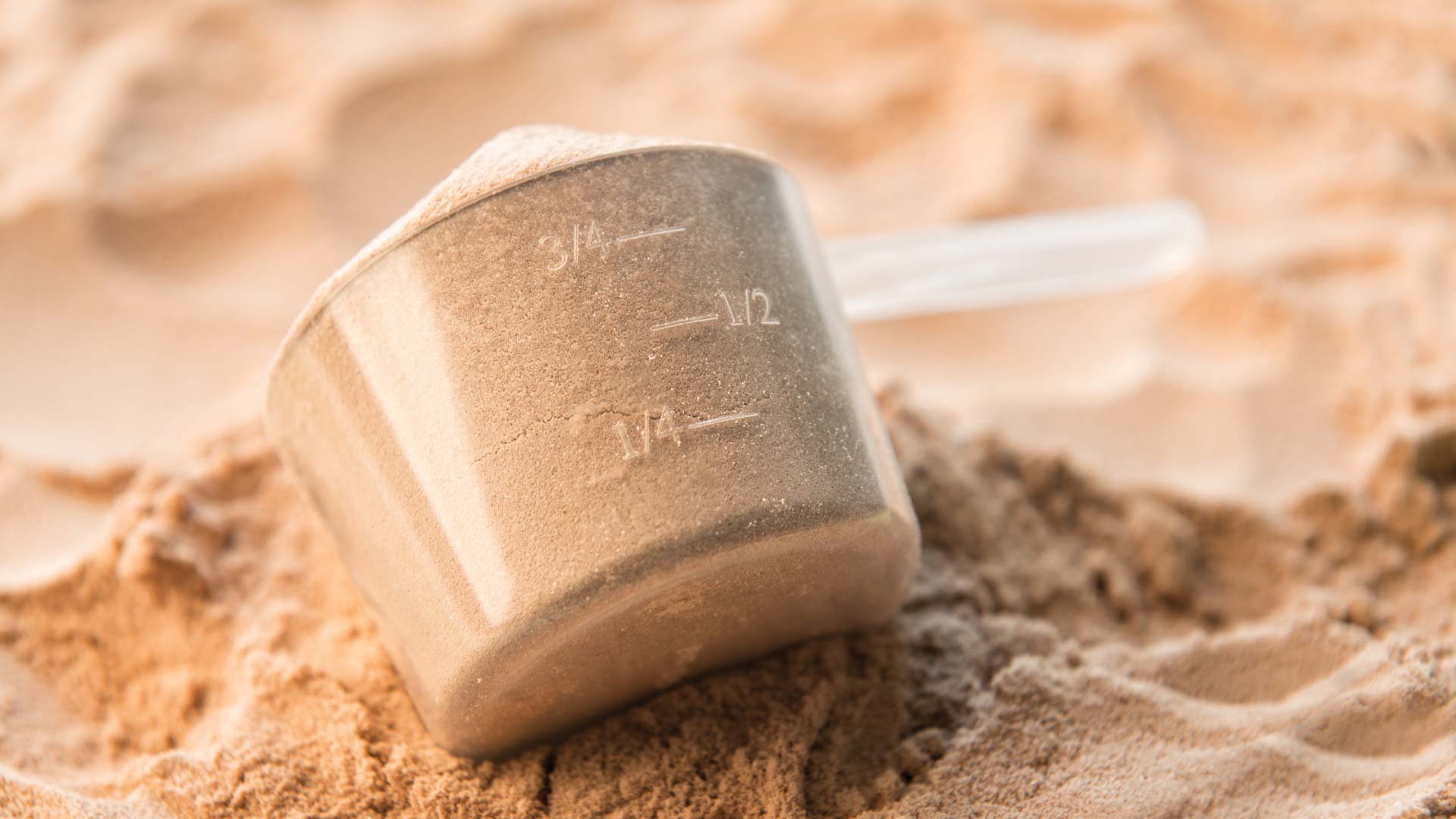
Protein is our indispensable assistant. Protein has been gaining popularity among athletes for quite some time. It is ideal for people who take part in various strength and power sports. Yet only a couple of years ago there were relatively few schemes that could tell you the right dose of such a protein. And it was not the dose alone that mattered, but the timing that was best for absorption and for the strongest effect. Most people had only one piece of general knowledge: that you should drink protein shakes several times a day.
Why protein timing matters
Muscle protein is in constant flux: it is built up (synthesis) and broken down (breakdown) around the clock, and net growth happens only when synthesis outpaces breakdown over time. Spreading protein across the day keeps a steady supply of amino acids in the blood, which helps tilt that balance toward building rather than losing muscle. While total daily protein is the most important factor, the moments described below are the ones where timing can give a useful edge.
Taking protein after waking up
The average sleep duration is between 7 and 8 hours a day. During this time the body receives no food, so to maintain vital activity it draws on stored substances: the glycogen held in muscle and liver, and amino acids released by the breakdown of muscle tissue.
Muscle catabolism is also accelerated by the increased secretion of cortisol that is typical of the morning. This means that to limit muscle breakdown you should take a dose of fast protein soon after waking. The best option here is whey protein or a protein hydrolysate, ideally as part of a balanced breakfast.
During the day
For muscle mass to grow, amino acid reserves must be replenished in good time. To do this, eat more often and, in the intervals between meals, use 2 to 4 servings of protein at around 20 g each. If you know in advance that a meal will be delayed, choose a complex or slow protein such as casein, which releases amino acids gradually and keeps you covered for longer.
Why it is not recommended to take protein right before a workout
This is because intense physical activity largely halts the building of muscle tissue from dietary amino acids during the session itself. While you train, the body switches to producing energy from blood glucose and the glycogen stored in muscle and liver. When those glycogen stores run low, the body starts to draw energy from protein, but mainly from the branched-chain amino acids within the muscles rather than from a shake you drank moments before.
After the workout, over the following hour, the amino acids that have been used and the fibres damaged by micro-tears begin the repair process. This period is often called the protein window, and it is here that easily digestible protein is most useful.
Reception after training
Taking protein after the end of training is very important. At this time the so-called anabolic window opens, during which the absorption of nutrients entering the body increases. This is because after a hard workout the concentration of amino acids and glycogen drops significantly. The body, wanting to replenish the spent energy reserves, rapidly absorbs any nutrients that arrive.
For quick replenishment of energy and amino acid balance, it can help to take a gainer or a protein-plus-carbohydrate shake after a workout, supplying both protein and carbohydrates. These nutrients quickly restore spent glycogen and amino acids. The fast carbohydrates (usually maltodextrin) also stimulate release of the anabolic hormone insulin, which increases nutrient uptake and supports muscle growth. In practice this window is wider than once thought, lasting a couple of hours rather than minutes, so there is no need to rush.
Before bedtime
There is a belief that eating before bed leads to extra fat storage. This can be true when it concerns carbohydrates, but not protein, particularly for physically active people. Over the following 8 to 9 hours a person cannot eat and the body receives no amino acids. To limit catabolism overnight it is worth taking protein about 25 minutes before going to bed. An excellent choice is a composite blend that includes proteins with a varied rate of absorption, or simply slow-digesting casein, which feeds the muscles steadily through the night.
Optimum protein intake hours for weight loss
To lose weight effectively you still need enough protein. With food alone we often fall short, which can trigger catabolic processes in the muscles and works against the main goal of keeping lean mass while losing fat.
When losing weight, many people eat more frequently, around 5 to 6 times a day. Protein shakes help here by replacing 2 or 3 of those meals. A plain protein shake has little fat or carbohydrate, so it supports weight loss while still providing the nutrients muscles need, which helps preserve strength.
During weight loss a serving of protein is often about half the usual size, around 15 g. A shake can be used roughly 2 hours before exercise and 2 hours after the workout. Slower proteins taken as part of a blend help maintain a stable concentration of amino acids in the blood throughout training.
How much protein do you actually need?
Timing only matters once the daily total is in place. Sedentary adults need roughly 0.8 grams of protein per kilogram of body weight, but active people and those building or preserving muscle generally do better with about 1.6 to 2.2 grams per kilogram. The body can use only so much protein for muscle building at once, so a practical approach is to divide that total into three to five servings of around 20 to 40 grams each, eaten every few hours. This pattern naturally covers the morning, daytime, post-workout and pre-bed moments described above without any need for complicated scheduling.
The source matters too. Complete proteins, those that contain all the essential amino acids, such as whey, eggs, dairy, meat and fish, are the most efficient for muscle. Plant eaters can reach the same result by combining sources and eating a little more total protein. Whole foods should form the backbone of intake, with shakes used to fill gaps at the times when a meal is impractical.
Frequently asked questions
Is total daily protein more important than timing?
Yes. Reaching your daily protein target from all sources is the main driver of muscle gain and retention. Timing fine-tunes the result but cannot replace eating enough overall.
Do I have to drink a shake immediately after training?
No. The post-workout window lasts a couple of hours, so a protein-rich meal within that time works just as well as an instant shake.
Which protein is best before bed?
A slow-digesting protein such as casein, or a blend, is ideal at night because it releases amino acids gradually while you sleep.