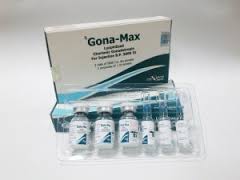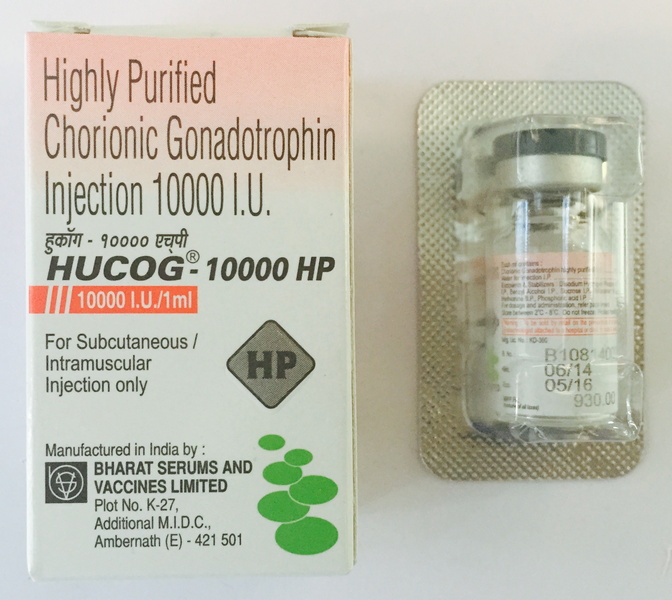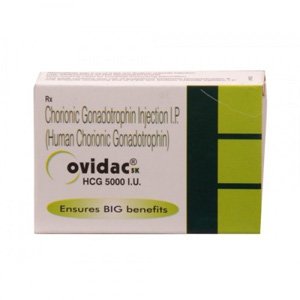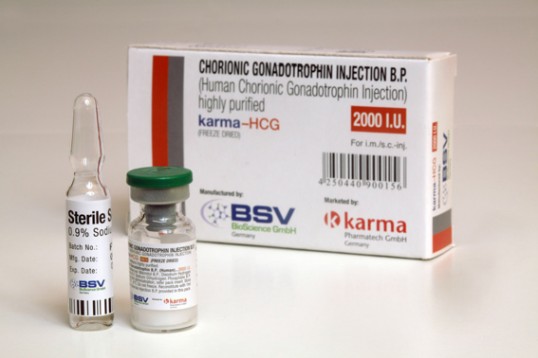
Overview: What Is Human Chorionic Gonadotropin (HCG)?
Human Chorionic Gonadotropin, almost always abbreviated to HCG, is a peptide hormone produced naturally during pregnancy by the developing placenta. Structurally it closely resembles luteinizing hormone (LH), and it is this similarity that makes it relevant to athletes and to men undergoing hormone therapy. Because HCG mimics the action of LH in the body, it can directly stimulate the testes to produce testosterone, which is why it has become a familiar name in discussions of post-cycle therapy and fertility support.
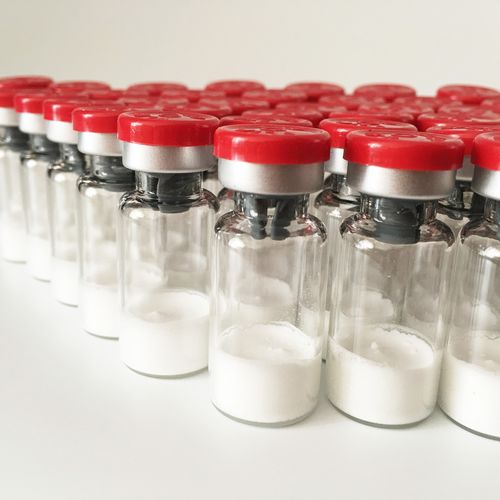
Pharmaceutically, HCG is supplied as a lyophilized (freeze-dried) powder that is reconstituted with sterile or bacteriostatic water before injection. It is administered subcutaneously or intramuscularly and is measured in international units (IU) rather than milligrams. Strictly speaking, HCG is not itself an anabolic steroid; it is a gonadotropin that works indirectly by prompting the body\'s own testosterone production, which is exactly why it occupies such a particular niche in steroid-related practice.
How HCG Works in the Body
In men, the testes produce testosterone in response to LH released by the pituitary gland, part of a feedback loop known as the hypothalamic-pituitary-gonadal (HPG) axis. During a cycle of anabolic-androgenic steroids, the body senses an abundance of external hormones and shuts down its own LH output. Without that signal, the testes become inactive and can shrink over time. HCG steps in as an LH analogue: it binds to the same receptors on the Leydig cells of the testes and keeps them producing testosterone and maintaining their size even while natural signalling is suppressed.
This mechanism explains the two main contexts in which HCG appears:
- Maintaining testicular function during a steroid cycle, helping to prevent the shrinkage (testicular atrophy) that suppression can cause.
- Restarting natural production as part of post-cycle therapy (PCT), where it helps reawaken the testes before the body\'s own hormonal axis recovers.
Benefits and Reasons for Interest
The principal appeal of HCG for those using anabolic compounds is the preservation of natural endocrine function. Users often report that it helps maintain libido, testicular size, and a general sense of well-being during periods when their own testosterone production would otherwise be dormant. Keeping the testes responsive during a cycle is also thought to make the eventual recovery of the HPG axis smoother. In a clinical fertility setting, HCG can meaningfully improve sperm production for men whose own LH output is insufficient, and it is a recognized treatment in reproductive medicine.
Typical Dosage and Administration
Dosing of HCG varies widely depending on the goal. For maintaining testicular function during a longer cycle, low and frequent doses are common, with the aim of keeping the testes active without overwhelming them. PCT protocols sometimes use higher doses over a shorter window to stimulate recovery before transitioning to other recovery agents. Reconstituted HCG is injected subcutaneously or intramuscularly and, once mixed, generally needs refrigeration. Because individual responses differ and because HCG can raise estrogen levels, dosing should be guided by bloodwork and, ideally, by a qualified medical professional. HCG is also used clinically to treat certain forms of male infertility and undescended testicles in children, and in women as part of fertility treatment to trigger ovulation.
Use in Cycles and PCT
Within a steroid cycle, low-dose HCG is often run throughout or in the closing weeks to keep the testes from becoming fully dormant, which can make the post-cycle restart easier. In post-cycle therapy, HCG is sometimes used early to jump-start testicular function, after which selective estrogen receptor modulators take over the job of restoring the brain\'s own LH and FSH signalling. A common cautionary point is that HCG should not simply be continued indefinitely: prolonged high-dose use can desensitize the testes to LH, defeating the purpose. It is best thought of as a tool to bridge or kick-start recovery rather than a standalone solution.
Side Effects and Precautions
HCG is not without risks. Because it ultimately increases testosterone, it can also raise estrogen through aromatization, leading to side effects such as water retention, gynecomastia, and mood changes; for this reason an aromatase inhibitor is sometimes used alongside it. Overuse can desensitize the testes to LH over time, which is counterproductive. Other reported effects include acne, headaches, and injection-site irritation. People with hormone-sensitive conditions should be especially cautious. HCG should be treated as a hormonal medication, not a casual supplement, and obtaining or using it without a prescription is restricted in many jurisdictions.
HCG Versus Other Recovery Approaches
It helps to see where HCG fits among the tools used to protect or restore natural function. HCG works at the level of the testes, directly substituting for luteinizing hormone, which makes it uniquely good at keeping the testes active and full-sized. Selective estrogen receptor modulators, by contrast, work higher up, prompting the pituitary to release more of its own LH and FSH; they restart the body\'s own signalling rather than bypassing it. Because of this difference, the two are often used in sequence: HCG can keep the testes responsive or jump-start them, while the modulators do the longer-term job of rebuilding the brain\'s own hormonal drive. Aromatase inhibitors play a separate, supporting role by limiting the estrogen that rising testosterone can produce.
Why the Kidney Concern Is Often Overstated
HCG is sometimes wrapped up in worries about organ stress, but its action is hormonal rather than directly toxic to organs in the way some oral compounds can be. Its real risks come from the downstream effects of raising testosterone and estrogen, not from a direct assault on the kidneys. That said, treating it as harmless would be a mistake: the hormonal shifts it causes are genuine and can affect mood, fluid balance, and estrogen-sensitive tissues. The sensible framing is that HCG is a hormonal medication with hormonal risks, best handled with bloodwork and medical input, rather than a substance to fear for reasons unrelated to how it actually works.
Monitoring and Responsible Use
Because HCG ultimately drives up testosterone and, through aromatization, estrogen, the most useful markers to track are total testosterone, estradiol, and LH or FSH where recovery is the goal. Watching estradiol is particularly important, since unmanaged estrogen is the source of several of the compound\'s side effects. Reconstituted HCG also needs proper handling and refrigeration to remain effective. As with all of this, the information here describes how the compound is used and monitored in practice and is not a substitute for the guidance of a qualified clinician, nor does it change the legal restrictions on obtaining it.
Frequently Asked Questions
Is HCG a steroid?
No. HCG is a peptide gonadotropin that mimics luteinizing hormone. It does not act directly like an anabolic steroid; instead it stimulates the body to make its own testosterone.
Why is it used during a steroid cycle?
Anabolic steroids shut down the body\'s LH signal, which can cause the testes to shrink. HCG substitutes for that signal, helping the testes stay active and full-sized.
Can HCG help with fertility?
Yes. In men whose own LH is insufficient, HCG can restore testicular testosterone production and improve sperm output, which is why it is used in reproductive medicine.
Should it be combined with other PCT drugs?
Often it is. HCG can restart testicular function, but recovery of the full hormonal axis usually also involves drugs that stimulate the pituitary, all best guided by bloodwork.
You may also like: Boldenone (Equipoise)
You may also like: Methenolone Enanthate
You may also like: Dianabol pills
You may also like: Human Growth Hormone
You may also like: Oxandrolone (Anavar)