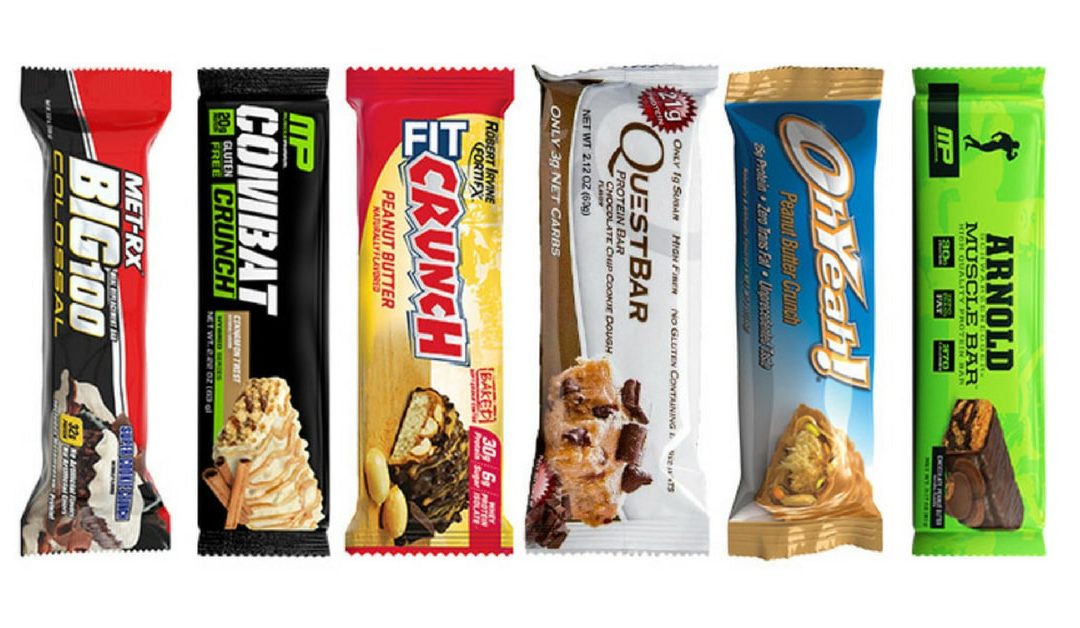
Protein bars can be a good choice if you need some energy before you play a sport. They can also help you repair your muscles after playing a sport. However, it is not necessary to use sports bars. You can get the energy you need from food before you play a sport, and most people can meet their protein needs from ordinary meals.
What is a protein bar?
A protein bar is a portable snack engineered to deliver a concentrated dose of protein, typically between 10 and 25 grams, in a compact, shelf-stable form. The protein usually comes from whey, milk (casein), soy, egg or a blend, bound together with carbohydrates, fats, fibre and flavourings. In nutritional terms a protein bar sits somewhere between a meal-replacement and a confectionery snack, and the exact balance depends heavily on the brand and recipe.
When is it needed?
The protein bar does not win in its composition before the protein shake. Usually, it is even less useful because of the contained sugars and the high denaturation of the raw material for keeping it in solid form.
Why do we need protein bars in this case? In fact, they have several advantages over other sources of concentrated protein:
- Storage. Prepared protein shake should be drunk within 3 hours after kneading, while the protein bar can be stored for up to a month in the unpacked state.
- Psychological barrier. Very many people are extremely negative about protein shakes due to myths and propaganda on television. The protein bar in this case is a compromise option that allows you to get the necessary protein and are not afraid for the liver and potency.
- Compact form. If it is not always possible to carry a food container with you, the protein bar can easily fit in a bag or even in a pocket, which allows you to always have a supply of necessary proteins with you.
- Ability to use on the go. Especially important for busy people who are constantly traveling or at business meetings.
Benefits of protein bars
Used sensibly, a good protein bar can fill real gaps. It offers a quick hit of protein when a full meal is not practical, helps curb hunger between meals, and provides a more controlled alternative to grabbing a chocolate bar or pastry. For travellers, office workers and people training away from home, the convenience is genuine. Bars with whole-food ingredients can also supply useful fibre and micronutrients.
Protein itself is highly satiating, so a bar with a solid protein-to-calorie ratio can keep you fuller for longer than a sugary snack of the same size. This makes a well-chosen bar a reasonable tool for managing appetite during a long day, provided it is counted as part of your overall intake rather than added on top of it. The keys are choosing a bar with a sensible calorie and sugar load and not letting convenience turn into a habit that crowds out real meals.
Who should use protein bars?
Protein bars suit busy people who struggle to prepare enough protein-rich meals, athletes who need a portable post-training snack, and anyone using one as an occasional meal bridge rather than a staple. They are less appropriate for people trying to lose weight through tight calorie control, since the calories can rival a meal, and for anyone who can simply eat real food at the time in question.
Protein bars: when to take them?
Given their composition, protein bars can be recommended for use only when you die of hunger, and you absolutely do not have any other food available. Using a similar product as a component of the diet for a set of muscles is too expensive (normal whey protein is cheaper), and for weight loss it is meaningless.
Whatever beautiful words are written on the packaging of a protein bar (ranging from 52% protein to 0% added sugar) often they are intended only for an inexperienced customer who never reads the composition of the product. By its caloric content, most protein bars (exactly like cereal bars) differ little from ordinary chocolate. If your goal is muscle gain, a bar after training works as a convenient option; if your goal is fat loss, it is usually better to eat a high-protein whole-food snack instead.
How to read the label
If I use sports bars, what should I look for on the label?
Read the ingredients
- Look for ingredients like whole grains, soy, casein (milk) or whey (milk) protein, dried fruit and nuts
- Try to avoid artificial sweeteners such as sucralose since you need carbohydrate (sugar) for energy
- Avoid sports bars that have trans fats. The words hydrogenated or partially hydrogenated in the ingredient list mean trans fat
- Look for at least 10 grams of protein per bar
- Look for lower fat and fibre if you are eating a sports bar before playing a sport
It is also worth comparing the total calories and sugar against the protein content. A bar with 20 grams of protein but 30 grams of sugar and 350 calories is closer to a treat than a training food.
Final opinion
A protein bar is, at heart, a high-calorie snack carefully presented as a healthy product. In reality, such bars are formulated in a food laboratory rather than grown in a garden, and it is important to understand that they are the result of deep processing of the original ingredients.
Moreover, the more protein and the less sugar in the composition of the protein bar, the more questions you should have about the long list of synthetic components in it. Even if, in terms of calories, protein, fat and carbohydrates, everything looks normal, it is best to treat protein bars as a convenient back-up rather than a daily habit, and to lean on whole foods and plain protein powder whenever you can.
Frequently asked questions
Are protein bars good for weight loss?
Only as a planned replacement for something more calorific. Because many bars carry as many calories as a small meal, eating them on top of normal meals can stall weight loss rather than help it.
Can I eat a protein bar every day?
One bar a day is fine for most people if it fits your calories and you are not relying on it instead of balanced meals. Whole-food protein should still make up most of your intake.
Are protein bars the same as meal-replacement bars?
Not quite. Protein bars focus on protein, while meal-replacement bars aim to cover a fuller mix of protein, carbohydrates, fats and micronutrients. Always check the label to see which you are buying.
You may also like: protein