What Anadrol (Oxymetholone) Is
Anadrol is the most widely recognised brand name for oxymetholone, an orally active anabolic-androgenic steroid first developed in the late 1950s. It is a derivative of dihydrotestosterone (DHT) and was originally introduced to treat anaemia, muscle-wasting conditions and osteoporosis, and later to support patients with HIV-related wasting. Among bodybuilders and strength athletes, Anadrol earned a reputation as one of the most powerful oral compounds for rapid gains in size and strength, which is why it remains a frequent subject of discussion in performance circles.
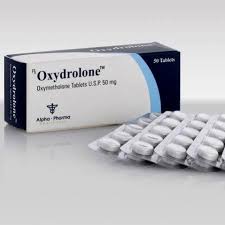
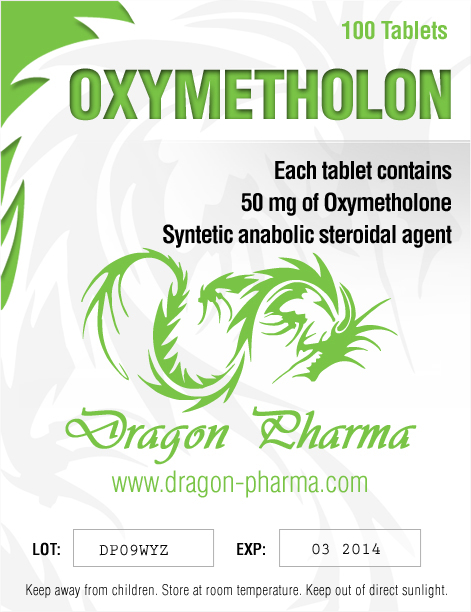
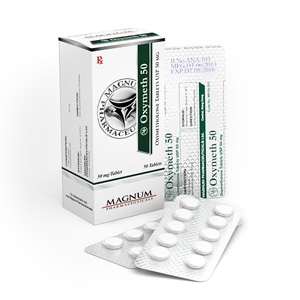
Because oxymetholone is C17-alpha alkylated, it survives the first pass through the liver and can be taken in tablet form. That same modification, however, places a meaningful burden on the liver, which is the single most important consideration when looking at how the compound is used. Anadrol is most commonly sold as 50 mg tablets, a dosing unit so familiar that it has become almost synonymous with the drug itself.
How It Works
Like other anabolic steroids, oxymetholone binds to androgen receptors and drives an increase in protein synthesis and nitrogen retention within muscle tissue, tipping the body toward an anabolic state in which it builds more tissue than it breaks down. It also strongly stimulates the production of red blood cells, which was the basis of its original use in anaemia. Interestingly, oxymetholone binds the androgen receptor relatively weakly, which suggests that a substantial part of its dramatic effect on body weight comes from non-receptor pathways and from the pronounced glycogen and water retention it produces inside the muscle cell.
How Anadrol Compares to Other Bulking Compounds
Anadrol is often mentioned in the same breath as methandienone, the other classic oral bulking steroid, and the two share a similar role as fast-acting kickstarters. The difference experienced users tend to highlight is one of degree: oxymetholone is usually regarded as the more powerful of the two for sheer scale and strength, but also the harsher in terms of side effects and the more difficult to manage. Compared with slow injectable compounds, Anadrol is the opposite in character. Where an injectable might take weeks to build measurable results, oxymetholone delivers them almost immediately, which is precisely why the two are so often paired, with the oral covering the gap until the injectable takes hold.
This contrast also explains why Anadrol is rarely a standalone choice. On its own, the gains it produces are heavily dependent on the water and glycogen it draws into the muscle, much of which recedes once the compound is stopped. Built into a structured cycle with longer-acting steroids, however, the early surge it provides can be consolidated into more durable progress over the following weeks.
Effects and Reported Benefits
Anadrol is valued primarily during so-called bulking phases. Users typically report fast increases in body weight, much of which comes from heightened glycogen and water retention within the muscle, alongside genuine gains in lean tissue. Strength often climbs quickly as well, making the compound popular at the start of a cycle to kick-start progress while slower-acting injectables build up in the system.
- Rapid increases in muscular body weight over a short period
- Marked improvements in strength and training capacity
- Increased appetite in many users
- A full, pumped appearance in the gym due to intracellular water retention
- Support for red blood cell production, the basis of its original medical use
Typical Dosage and Administration
In a clinical setting, oxymetholone has historically been prescribed at roughly 1 to 5 mg per kilogram of body weight per day for treating anaemia. In non-medical performance use, doses discussed in the community are commonly in the range of 25 to 100 mg per day, with most experienced users favouring the lower portion of that range to keep side effects manageable. Because the compound has a relatively short half-life, the daily total is sometimes split into two doses, although many users take it once a day before training. Cycles are usually kept short, often four to six weeks, specifically to limit the strain on the liver. These figures describe how the compound is discussed, not a recommendation to use it.
Cycles and Stacking
Anadrol is frequently described as a kickstart compound, run at the front end of a longer cycle built around injectable steroids, then discontinued once those slower compounds become fully active. A classic structure pairs four to six weeks of oxymetholone with a longer run of a testosterone base and perhaps a second injectable, so that the oral provides immediate momentum while the injectables carry the cycle to its conclusion.
Stacking oxymetholone with other liver-stressing orals at the same time is widely discouraged, since the hepatic burden compounds. Because of its potency, many sources recommend that beginners avoid Anadrol entirely until they understand how their body responds to milder agents. It is rarely if ever used by women, given its strength and side-effect profile.
Side Effects and Precautions
Oxymetholone is among the harsher oral steroids, and the potential side effects deserve serious attention. The most significant concern is hepatotoxicity: liver enzyme elevation is common, and prolonged or high-dose use can lead to more serious liver problems, including cholestasis and, in rare cases, liver tumours. For this reason, liver values are typically monitored and cycles kept short.
Other commonly reported issues include elevated blood pressure linked to water retention, unfavourable shifts in cholesterol with a marked drop in HDL, suppression of the body own testosterone production, and oestrogen-related effects such as bloating and gynecomastia. The oestrogenic side is somewhat unusual because oxymetholone does not aromatise in the conventional way, yet it can still produce these effects, which makes them harder to control with standard measures. Headaches, nausea and reduced appetite are also reported by some users. None of this is medical advice; oxymetholone is a prescription medication, and its non-medical use carries real health risks that should be discussed with a qualified physician.
Post-Cycle Recovery
Because oxymetholone shuts down natural testosterone production, a recovery period after the cycle is routinely discussed. The goal is to help the hypothalamic-pituitary-gonadal axis restart so that natural hormone levels return to baseline rather than leaving the user in a prolonged suppressed state. The appropriate approach depends on the full cycle that preceded it and is best planned with medical supervision and bloodwork.
Frequently Asked Questions
Why is Anadrol used only for a few weeks?
Its liver toxicity rises with both dose and duration, so short cycles are favoured to limit that burden.
Is the weight gain from Anadrol real muscle?
Part of it is genuine lean tissue, but a large share of the rapid early weight is glycogen and water held within the muscle, some of which is lost when the compound is stopped.
Can Anadrol cause oestrogen side effects without aromatising?
Yes. Oxymetholone can produce bloating and gynecomastia through mechanisms that are not fully blocked by conventional anti-aromatase strategies, which is one reason it is considered tricky to manage.
Summary
Anadrol cycles are associated with some of the fastest weight and strength gains of any oral steroid, which is exactly why the compound is treated with caution. Short cycles, conservative dosing and attention to liver health are the recurring themes whenever experienced users discuss it. The trade-off between its powerful effects and its considerable side-effect profile is the central fact anyone researching oxymetholone should understand.
You may also like: Anapolon injections
You may also like: Boldenone (Equipoise)
You may also like: Methenolone Enanthate
You may also like: The myth of Anadrol
You may also like: Human Growth Hormone
You may also like: Testosterone Enanthate
You may also like: Methandienone for women