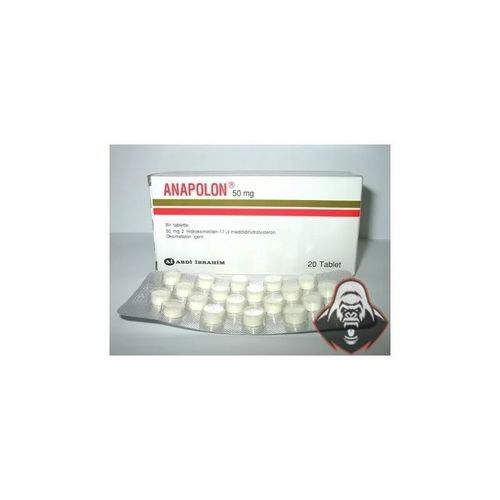
Anapolon Injections (Oxymetholone)
Anapolon is the trade name for oxymetholone, a potent oral anabolic-androgenic steroid better known to many under the brand Anadrol. References to Anapolon injections usually point either to oil-based or suspension preparations produced by some underground labs, or to confusion with other injectable compounds run alongside it within the same cycle. Oxymetholone was actually designed to be taken by mouth: it is C17-alpha alkylated so it can survive digestion and pass through the liver in active form. Understanding what the compound really is helps cut through much of that confusion before any decision about format is made.
Where the Idea of an Injection Comes From
It is worth pausing on why the phrase Anapolon injections circulates at all, given that the drug was designed as a tablet. Several threads feed the confusion. Some buyers see injectable steroids as inherently stronger or more legitimate and assume that a powerful oral like oxymetholone must also exist in injectable form. Others encounter cycles in which oxymetholone tablets are taken alongside injectable steroids and conflate the two. And a small number of underground laboratories have genuinely produced injectable oxymetholone, advertising it as a way to avoid swallowing tablets or to sidestep stomach discomfort. None of these reasons changes the underlying pharmacology, which is why understanding the compound itself matters more than the marketing around any particular format.
How Oxymetholone Works
Oxymetholone drives an anabolic state by raising protein synthesis and nitrogen retention in muscle and by powerfully stimulating red blood cell production, which is why it was first used medically against anaemia. It binds the androgen receptor relatively weakly, so a large share of its dramatic effect on body weight is thought to arise from non-receptor mechanisms combined with heavy intracellular glycogen and water retention. That retention is exactly what produces the fast, full look the compound is associated with.
A Brief History
Oxymetholone was introduced in the late 1950s as a treatment for anaemias driven by deficient red blood cell production, and it was also used against wasting conditions and osteoporosis, later finding a role in HIV-related muscle loss. As medicine moved toward newer therapies, its clinical use diminished, but the compound persisted in strength sports, where its capacity for rapid mass gain kept it in demand. It is sold under several brand names, with Anapolon and Anadrol the most familiar, all referring to the same molecule. This heritage as an oral tablet is exactly why claims of an injectable version sit awkwardly with the drug actual history.
What the Compound Does
Oxymetholone is one of the strongest mass-building steroids available. It is used almost exclusively during bulking phases, where it can produce rapid increases in body weight and strength. A large portion of early weight gain comes from glycogen and water held inside the muscle cells, which gives the dramatic, fast-filling appearance the compound is known for, on top of genuine lean tissue accrued over a cycle.
- Quick gains in muscular body weight
- Substantial strength increases
- A heightened muscle pump during workouts
- Increased red blood cell production, reflecting its original medical purpose
Injectable Versus Oral Form
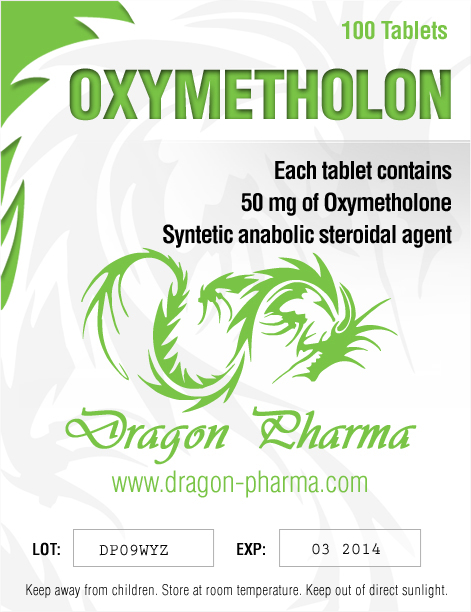
The original pharmaceutical product is an oral tablet, almost always the familiar 50 mg dose. Some underground labs do produce an injectable oxymetholone, typically marketed on the claim that it eases dosing or avoids stomach upset, but it remains the same hepatotoxic molecule once in the bloodstream, so it does not meaningfully spare the liver. Because the raw material is generally still C17-alpha alkylated, injecting it does not bypass the liver burden in the way some buyers assume.
There is little reliable medical literature supporting an injectable form, and quality control on grey-market injectables is a serious concern, with sterility, accurate dosing and solvent irritation all being real issues. For most purposes, oxymetholone is and was intended to be an oral compound, and the oral tablet remains the more predictable, better-documented choice.
- Oral tablet: the standard, well-characterised form.
- Injectable suspension or oil: rare, poorly documented, and no proven liver advantage.
- Sterility and dosing accuracy are harder to verify on grey-market injectables.
Typical Dosage and Administration
In performance settings, doses discussed for oxymetholone generally fall between 25 and 100 mg per day, with most users favouring the lower end and shorter cycles of four to six weeks to limit liver strain. The compound is frequently used only at the start of a longer cycle to drive early progress while slower injectable steroids build up. These figures reflect common discussion rather than any recommendation.
Cycles and Stacking
Whether taken as a tablet or an unusual injectable, oxymetholone is most often deployed as a kickstart at the front of a cycle organised around a testosterone base and other injectables. It provides a fast early surge while the slower compounds reach stable levels, then is discontinued. Running it together with other liver-stressing orals is discouraged, and a testosterone base is normally included to counter the heavy suppression of natural hormone production. Oxymetholone is rarely used by women because of its potency and side-effect profile.
Side Effects and Precautions
The leading concern with oxymetholone in any form is hepatotoxicity. Liver enzyme elevation is common and serious liver problems can develop with prolonged or heavy use. Additional reported effects include raised blood pressure from water retention, negative cholesterol shifts with a drop in HDL, suppression of natural testosterone production, and oestrogen-related effects such as bloating and gynecomastia that can appear despite the compound not aromatising conventionally. Because of this profile, the compound is generally considered inappropriate for beginners. This article is for information only and is not medical advice; oxymetholone is a prescription drug and its use should be discussed with a qualified physician.
It is worth underlining that switching to an injectable version does nothing to soften this picture. The side-effect profile follows the molecule, not the syringe, so the liver strain, blood pressure effects and hormonal disruption remain whichever route is chosen. If anything, a poorly made injectable adds further risks around sterility and injection-site reactions on top of the compound inherent toxicity, which is one more reason the oral tablet remains the more sensible and better-understood form.
Post-Cycle Recovery
Because oxymetholone suppresses the body own testosterone production, a recovery phase after the cycle is routinely discussed to help natural hormone output return to normal. Since the compound is short-acting and clears the body relatively quickly, recovery can usually begin soon after the last dose, in contrast to long-ester injectables that linger for weeks. The right protocol depends on the entire cycle and should be planned with medical input and supported by bloodwork rather than estimated.
Frequently Asked Questions
Are injectable Anapolon and oral Anapolon different drugs?
No. Both deliver oxymetholone; only the route of administration differs, and the injectable form is uncommon and poorly documented.
Does injecting oxymetholone protect the liver?
Generally not, because the material is usually still C17-alpha alkylated, so the hepatic burden remains.
Why is Anapolon used only for short cycles?
Its liver toxicity increases with dose and duration, so short runs are favoured to contain that risk.
You may also like: Buying Anapolon
You may also like: Boldenone results
You may also like: Methenolone Enanthate
You may also like: Human Growth Hormone
You may also like: Injectable Anavar
You may also like: Oxymetholone pills
You may also like: Primobolan Depot
You may also like: Testosterone Enanthate