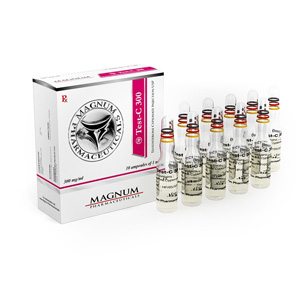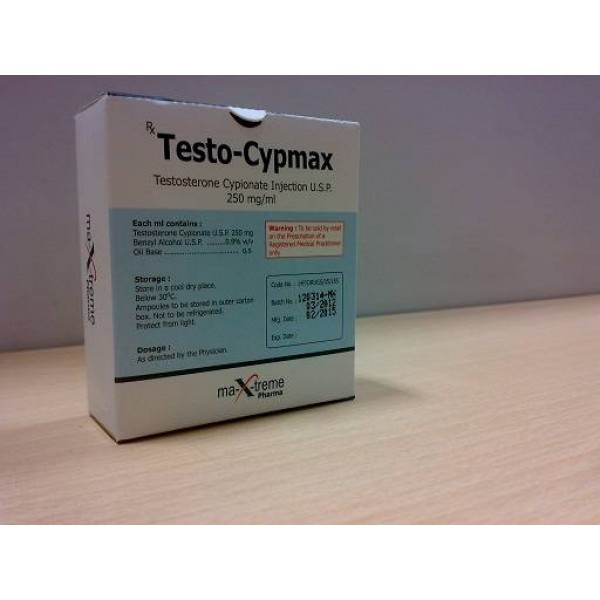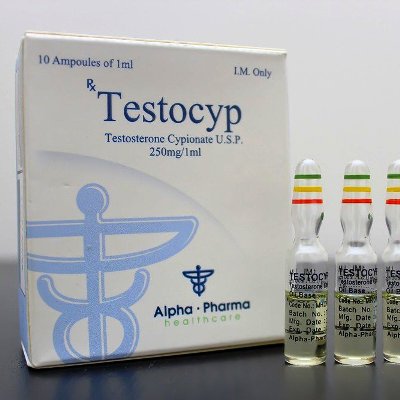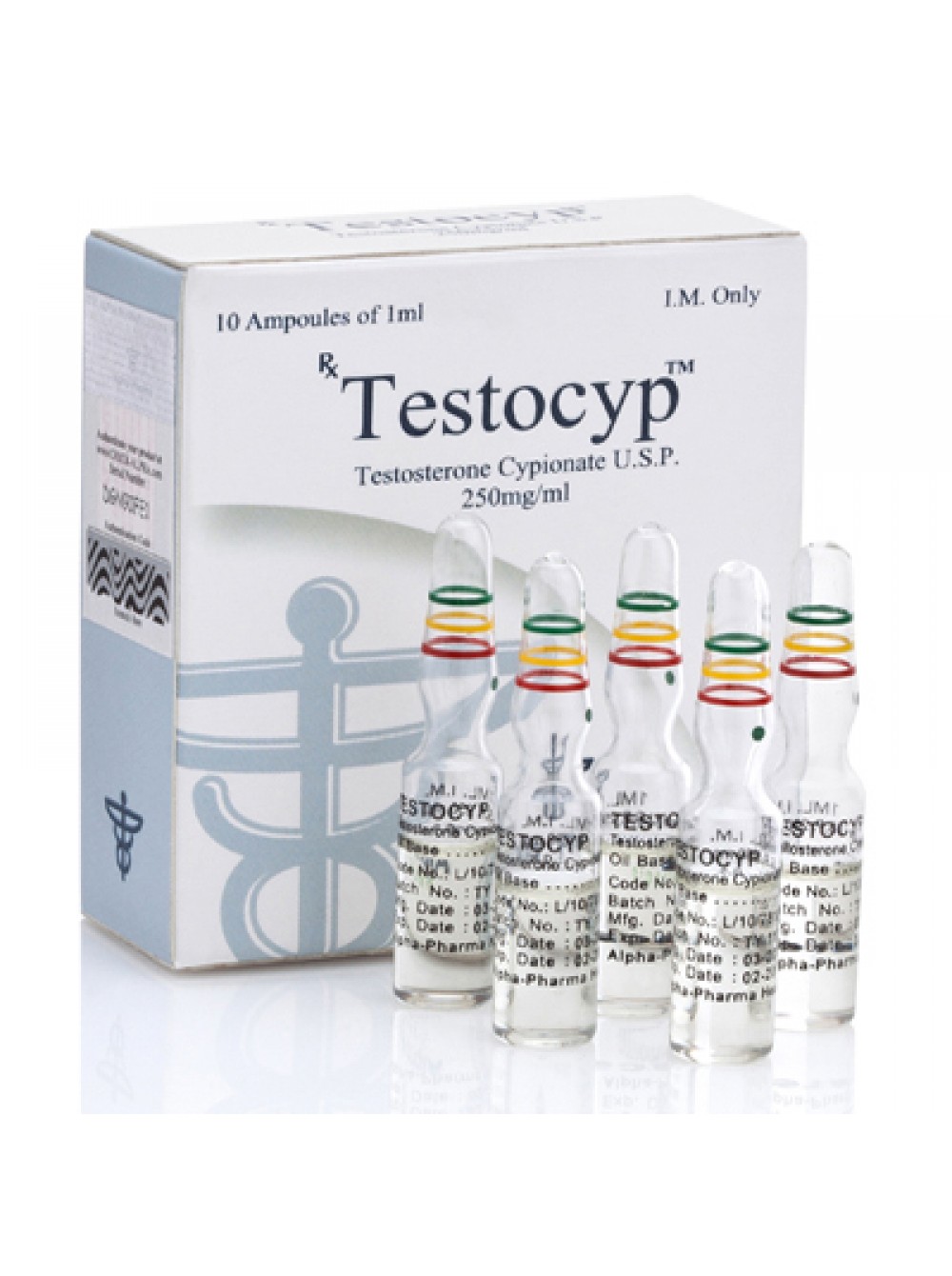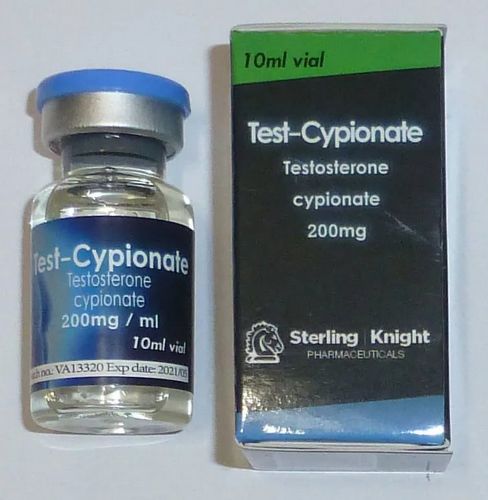
Overview: What Is Testosterone Cypionate?
Testosterone Cypionate is one of the most widely used forms of injectable testosterone. It consists of the testosterone molecule bound to the cypionate ester, a long-chain fatty acid attached to slow the hormone\'s release once injected. Testosterone itself is the primary male sex hormone and the foundation on which the entire family of anabolic-androgenic steroids is based. In medicine, Testosterone Cypionate is a standard treatment for men with low testosterone (hypogonadism), and it is equally familiar in performance and bodybuilding contexts, where it serves as a reliable base in countless cycles.
Because the only difference between the various injectable testosterone products is the ester attached, the underlying hormone delivered by cypionate is identical to that delivered by enanthate or propionate. What changes is the timing of release. Cypionate is a long ester, so it occupies the slow, steady end of the spectrum.
How the Cypionate Ester Works
On its own, free testosterone clears the body very quickly. Attaching the cypionate ester creates a depot at the injection site from which the hormone is released gradually over many days. This gives Testosterone Cypionate a relatively long half-life, meaning users can inject less frequently while maintaining stable blood levels. Once in the bloodstream, enzymes cleave the ester off and the body is left with free testosterone to act on muscle, bone, and other tissues by binding to androgen receptors. Some of that testosterone also converts to estrogen through the aromatase enzyme and to the more potent androgen DHT, both of which shape its overall effect.
Benefits and Effects
Because it is essentially bioidentical testosterone, the compound produces the full range of effects associated with the hormone:
- Increased muscle protein synthesis and lean mass.
- Greater strength and improved recovery between sessions.
- Higher red blood cell production, supporting endurance.
- Improved bone density over time.
- Restored libido, mood, energy, and sense of well-being in men with low natural levels.
For medical patients, the goal is simply to restore normal physiological levels. In performance use, doses are typically higher, which amplifies both the benefits and the risks.
Typical Dosage and Administration
Thanks to its long ester, Testosterone Cypionate is often injected once or twice per week, though some users split doses more frequently for steadier blood levels and reduced peaks. Clinical replacement doses are modest, calibrated only to bring a deficient man back into the normal range, while performance doses are considerably larger. Injections are intramuscular, and because the ester is long, it takes several weeks of consistent dosing before levels stabilize. As with any testosterone, individual response varies, and dosing decisions are best made with bloodwork rather than assumption.
Cycles and Stacking
Testosterone is the most common base of nearly all steroid cycles, and cypionate is a frequent choice for that role because of its convenient long action. Many users run it alone in a first cycle, while more advanced users stack it with other compounds, choosing companions of similar ester length to keep injection schedules aligned. In any stack, the testosterone base serves to maintain healthy androgen levels while other compounds add their own effects, since most steroids suppress the body\'s own testosterone. Estrogen management is typically planned into the cycle so that the aromatization of a higher testosterone dose does not cause problems.
Side Effects and Precautions
Because Testosterone Cypionate aromatizes into estrogen, side effects can include water retention, gynecomastia, and mood swings; an aromatase inhibitor is often used to keep estrogen in check. Androgenic effects such as acne and accelerated hair loss in those predisposed are also possible. Like all exogenous testosterone, it suppresses the body\'s own production, which can affect fertility and testicular size during use. Elevated red blood cell counts (raised hematocrit) and unfavorable changes in cholesterol are additional concerns that warrant regular monitoring.
Testosterone Cypionate is a controlled prescription medication in most countries. Anyone using it should do so under medical supervision, monitor hormone and blood markers regularly, and understand the legal framework that applies where they live.
Post-Cycle Therapy (PCT)
Because exogenous testosterone shuts down the body\'s natural production, a recovery protocol is usually planned after a performance cycle. With a long ester like cypionate, PCT is delayed until the compound has substantially cleared, often a couple of weeks after the final injection, so that recovery agents are not fighting against still-active testosterone. Standard approaches rely on selective estrogen receptor modulators to stimulate the pituitary into restarting the body\'s own hormonal axis, ideally confirmed with follow-up bloodwork.
Medical Use and TRT
Outside the performance world, Testosterone Cypionate is a mainstay of testosterone replacement therapy (TRT). Men whose bodies no longer produce enough testosterone, whether through age, injury, or medical conditions, are often prescribed it to restore normal levels. In this setting the aim is physiological balance, not supraphysiological gains, so doses are kept modest and adjusted by bloodwork to land within a healthy reference range. Patients on TRT typically report improved energy, mood, libido, and body composition simply from being returned to normal. This medical context is worth keeping in mind because it shows that the same drug behaves very differently depending on the dose and the goal, and that the dramatic risks associated with steroid abuse stem largely from the much higher amounts used for performance.
How It Compares to Other Testosterone Esters
Cypionate is best understood alongside its siblings. Compared with propionate, it is far more convenient, since its long ester allows once- or twice-weekly injections instead of daily ones, but it is slower to take effect and slower to clear. Compared with enanthate, it is almost indistinguishable in practice, the two esters differing by a single carbon. Cypionate has historically been the more common choice in the United States, while enanthate has been more widespread elsewhere, which is largely a matter of regional availability rather than any meaningful difference in results.
Monitoring and Responsible Use
The standard markers to track on testosterone are total and free testosterone, estradiol, a complete blood count for hematocrit, a lipid panel for cholesterol, and, where fertility matters, LH and FSH. Estradiol is watched because aromatization rises with dose, and hematocrit because testosterone reliably thickens the blood. These checks are the backbone of safe TRT and the same logic applies, with greater urgency, at higher performance doses. As always, the information here reflects how the compound is used and monitored rather than a recommendation, and non-medical use carries legal as well as health consequences.
Frequently Asked Questions
What is the difference between cypionate and enanthate?
Very little in practice. The two esters are almost the same length, so they release testosterone at nearly the same rate. Choice usually comes down to availability and preference.
How often does it need to be injected?
The long ester allows once- or twice-weekly injections, although splitting the dose more often can produce steadier levels for some users.
Does it cause estrogen side effects?
It can, because testosterone aromatizes into estrogen. Higher doses raise that risk, which is why estrogen management is a common part of a cycle.
Is it the same as testosterone replacement therapy (TRT)?
The drug is the same, but medical TRT uses modest doses to restore normal levels, whereas performance use involves much larger amounts and greater risk.
You may also like: Boldenone results
You may also like: Boldenone (Equipoise)
You may also like: Trenbolone Acetate dosage