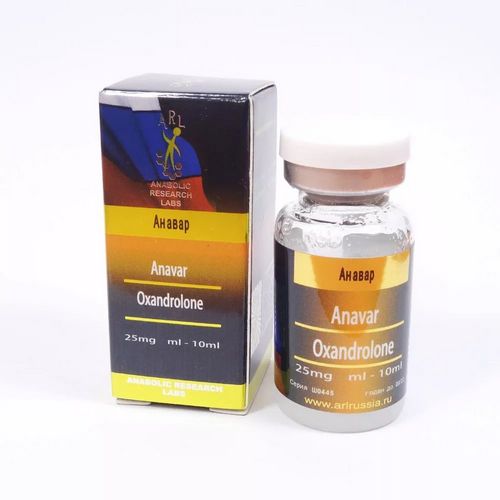
Injectable Anavar: An Overview
Anavar is the long-established trade name for oxandrolone, a mild oral anabolic-androgenic steroid first synthesised in the early 1960s. Most people encounter it as a small tablet, but an injectable version also exists, usually prepared by underground or compounding laboratories as a water-based or oil-based suspension of the same active molecule. The injectable format is far less common than the pills, and its appearance on the market raises a genuinely interesting question for anyone comparing the two: does changing the delivery method meaningfully change what oxandrolone actually does inside the body?
The short answer is that the underlying compound is identical. What changes is the route by which it enters the bloodstream, and that single difference has knock-on effects on convenience, comfort, liver involvement and the practicalities of dosing. Understanding the molecule first makes the injectable-versus-oral debate much easier to follow.
What Oxandrolone Is and How It Works
Oxandrolone is a derivative of dihydrotestosterone (DHT) in which the second carbon of the steroid ring has been replaced by an oxygen atom. This structural quirk gives the compound a high ratio of anabolic (tissue-building) to androgenic (masculinising) activity. In plain terms, it promotes the synthesis of muscle protein and helps the body retain nitrogen and preserve lean tissue without producing the heavy, masculinising load of harsher steroids.
It was originally developed for legitimate medical purposes, including helping patients regain weight after surgery, trauma, chronic infection or prolonged corticosteroid therapy, and easing the bone pain associated with osteoporosis. It has also been studied in the treatment of severe burns and in some paediatric growth disorders, which is part of why it is regarded as relatively gentle compared with most anabolic agents.
Why Oxandrolone Is Valued
Oxandrolone earned its reputation as a mild steroid because it produces noticeable gains in strength and lean tissue with comparatively low androgenic activity. It does not aromatise into oestrogen, so users typically avoid the water retention, bloating and gynecomastia associated with stronger compounds. The result is a dry, defined look, which is why oxandrolone is popular during cutting phases and among athletes who want to add quality strength without significant weight gain.
- Lean muscle preservation during calorie-restricted phases.
- Strength gains without dramatic increases in body weight.
- No oestrogen conversion, so little water retention.
- A reputation for being relatively well tolerated by many users.
- Often used by women because virilisation risk, while real, is lower than with most steroids.
Injectable Versus Oral: What Actually Changes?
The active molecule is the same whether oxandrolone is swallowed or injected. The meaningful difference is the route of absorption and what that implies for the liver. Oral oxandrolone is C17-alpha alkylated, a modification that allows it to survive the first pass through the liver in active form. That same alkylation is exactly what places metabolic strain on the liver, because the organ has to process a compound engineered to resist being broken down.
An injectable suspension is introduced directly into muscle tissue and absorbed into the bloodstream without passing first through the digestive tract. In theory this can reduce the direct first-pass burden per dose. In practice, however, several caveats apply. Many injectable oxandrolone preparations are still made from C17-alpha alkylated raw material, so the hepatic load is not necessarily eliminated. Aqueous suspensions are notorious for causing injection-site irritation, soreness and inflammation, and they often require frequent injections because the unestered compound clears quickly. For most people, the oral tablet remains the more convenient, more predictable and better-documented choice.
Practical trade-offs
- Oral: convenient, well studied, but C17-alpha alkylation stresses the liver.
- Injectable suspension: bypasses the gut, but can be painful, requires frequent shots and offers no guaranteed liver advantage.
- Quality control on grey-market injectables is a particular concern, since sterility and accurate dosing are harder to verify.
Typical Dosage and Administration
Because oxandrolone is mild, it is generally run at moderate doses. In performance contexts, daily amounts discussed for men commonly fall in the region of 20 to 50 mg, while women, who are far more sensitive to androgens, typically use much lower amounts, often around 5 to 15 mg per day. Cycles are usually kept to roughly six to eight weeks. With the injectable suspension, the same daily total tends to be split into more frequent administrations because of the compound short active life. None of these figures constitute a recommendation; they simply reflect how the compound is discussed.
A Brief History
Oxandrolone was introduced in the mid-1960s and spent decades in legitimate medical use, helping patients regain weight after surgery, trauma, infection or prolonged corticosteroid treatment, easing the bone pain of osteoporosis, and aiding the recovery of severe burn victims. It was also studied in children with growth disorders. This unusually broad and well-documented clinical history is a large part of why oxandrolone is regarded as one of the better-tolerated anabolic agents, and that reputation carried directly into its later, non-medical popularity among athletes of both sexes.
Cycles and Stacking
Even though oxandrolone is gentle, it still suppresses the body own production of testosterone. For this reason men often pair it with a testosterone base to maintain normal function and avoid the lethargy and low libido that accompany suppression. During cutting cycles it is sometimes combined with other lean-tissue compounds, while women more often use it alone at low doses to limit the risk of virilisation. The choice between oral and injectable oxandrolone within a stack rarely changes the strategy; it is mostly a matter of personal preference, tolerance and what is available. A common pattern is to introduce oxandrolone toward the end of a cutting phase to harden and define the physique once body fat is already low, rather than relying on it for size.
Side Effects and Precautions
No anabolic steroid is free of risk. Oxandrolone can suppress natural testosterone production, negatively affect cholesterol by lowering HDL and raising LDL, and place stress on the liver, particularly in oral form. The impact on blood lipids is actually one of the more notable downsides of an otherwise mild compound, and it is a reason regular monitoring is advised. Women face the possibility of virilising effects such as voice deepening, increased body and facial hair and clitoral enlargement if doses are too high or cycles too long; some of these changes can be permanent.
Anyone considering oxandrolone in any form should understand these risks, monitor their health with regular bloodwork, and be aware of the legal restrictions on these substances in their country. Oxandrolone is a prescription medication, and this article is informational only, not medical advice or a substitute for guidance from a qualified physician.
Post-Cycle Considerations
Because oxandrolone suppresses natural hormone production even at modest doses, a period of recovery after a cycle is commonly discussed. The aim is to help the body restart its own testosterone output and stabilise after the suppressive compound is cleared. The specifics of any recovery protocol depend on what was used, for how long and at what dose, and are best handled with proper medical input and bloodwork rather than guesswork.
Frequently Asked Questions
Is injectable Anavar stronger than the pills?
No. The active compound is the same, so the strength of the effect is determined by the dose, not the delivery method.
Does injecting oxandrolone protect the liver?
Not reliably. Many injectable versions still use C17-alpha alkylated material, so the hepatic burden is not necessarily removed.
Why is the injectable form so uncommon?
It offers few practical advantages over the convenient oral tablet, can be irritating to inject and is harder to source from reputable manufacturers.
Can women use the injectable form?
Women generally favour low oral doses for fine control. The injectable suspension makes precise low dosing harder, which is one reason it is less popular among female users.
You may also like: Anavar pills
You may also like: Boldenone results
You may also like: Buy HGH online
You may also like: Methenolone Enanthate
You may also like: Human Growth Hormone
You may also like: Methandienone for women
You may also like: Oxymetholone pills
You may also like: Safe Anavar dose