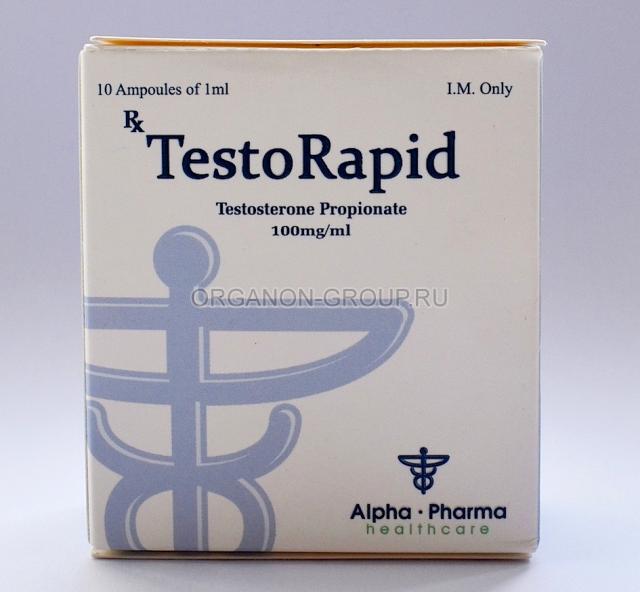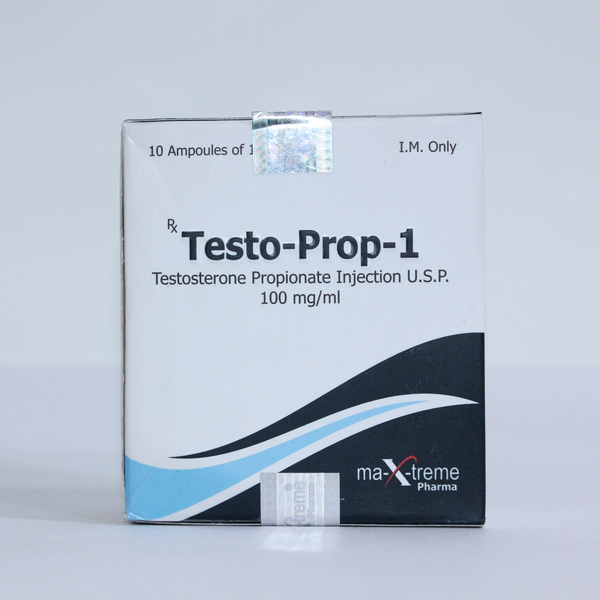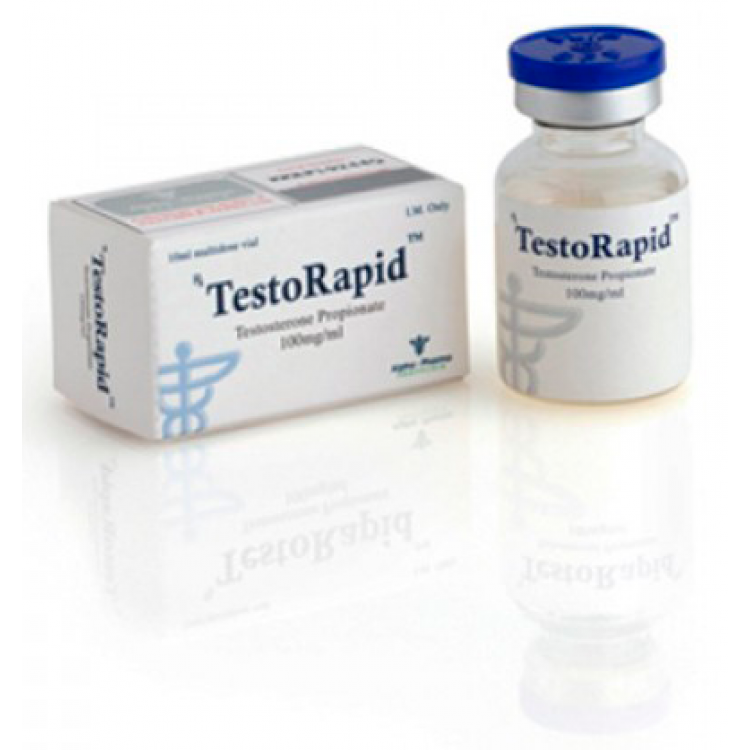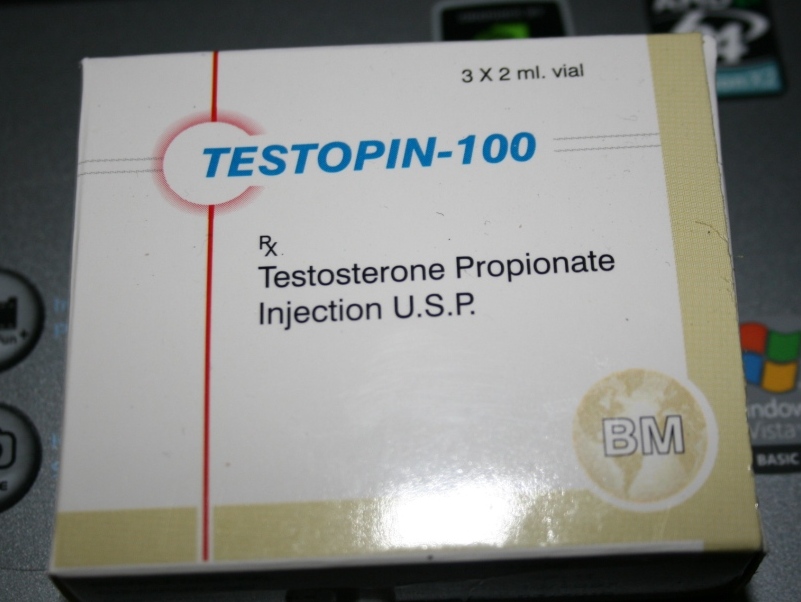
What Is Testosterone Propionate?
Testosterone propionate is one of the oldest esterified forms of testosterone, the primary male sex hormone. Testosterone itself is the hormone responsible for the development of male characteristics, the maintenance of muscle and bone, and a wide range of functions touching on mood, libido and metabolism. In its raw form testosterone is cleared from the body almost immediately, so it is attached to an ester, a fatty-acid chain that slows its release, to make it practical to inject. The propionate ester is a short-chain attachment, and it controls how quickly the hormone enters circulation after injection.
Compared with longer esters such as enanthate or cypionate, propionate acts fast and clears quickly, giving it a distinctly different release pattern. Like all forms of testosterone, it is a foundational anabolic-androgenic compound, the base against which other steroids are measured, and it is used medically to treat low testosterone, or hypogonadism, in men.
The Role of the Propionate Ester
The ester does not change the underlying hormone in any way; it only changes the timing of its release. Once injected, enzymes gradually cleave the ester from the testosterone molecule, freeing the hormone to act. A shorter ester is cleaved faster, so testosterone propionate has a short active life, often estimated at around two to three days. This short window has several practical consequences:
- More frequent injections are needed to maintain stable blood levels
- Hormone levels rise and fall more quickly than with longer esters
- It clears the system faster once discontinued, which shortens any recovery timeline
- Some users report less initial water retention and a smoother experience compared with longer esters
It is worth noting that, milligram for milligram, propionate delivers slightly more actual testosterone than the longer esters, because the lighter ester accounts for less of the total weight of the molecule.
A Brief History
Testosterone propionate is among the earliest practical testosterone preparations, dating to the late 1930s, not long after testosterone itself was first isolated and synthesised. For years it was effectively the testosterone available for medical use, before the longer esters such as enanthate and cypionate were developed to reduce how often injections were needed. That history gives propionate a kind of classic status; it is the original esterified testosterone, and despite the convenience of the longer esters it has never disappeared, retaining a loyal following precisely because of the tight control its short action allows.
How It Works and Its Effects
Because the active hormone is simply testosterone, the effects mirror those of testosterone itself. Testosterone binds to the androgen receptor throughout the body and drives increased muscle protein synthesis, improved nitrogen retention, faster recovery, greater strength and the support of normal male physiological functions. In a medical setting, testosterone replacement restores levels in men with deficiency, improving energy, mood, libido and bone density. In performance contexts, supraphysiological levels amplify these anabolic effects, which is the basis of testosterone\'s central role in this class of compounds. Importantly, since the body produces testosterone naturally, the hormone is well tolerated by most users relative to many synthetic steroids, which is one reason it sits at the foundation of so many approaches.
Dosage and Administration Context
The short ester means propionate is typically administered through frequent injections, often every other day, to keep blood levels steady and avoid the peaks and troughs that would otherwise come with such a fast-acting compound. Some users historically preferred it for exactly this reason: the tight control it offers over blood levels and its faster clearance, which can be useful when a quick exit from the compound is desired. The trade-off is the inconvenience of injecting more often and the injection-site soreness many associate with propionate.
Cycles and Stacking
Because testosterone is the base hormone of the androgen family, propionate is most often used as the foundation of a plan rather than as an add-on, with other compounds layered on top of it. It pairs naturally with other short esters when a fast-acting, quickly clearing approach is wanted, and it has historically been favoured in cutting contexts where its reduced tendency toward early water retention is seen as an advantage. As testosterone aromatizes to estrogen, estrogen management is a relevant consideration when it is used at higher amounts. As with all anabolic steroids, testosterone propionate is prescription-only, and non-medical use carries legal and health risks.
Side Effects and Precautions
- Estrogen-related effects such as water retention and gynecomastia, since testosterone aromatizes
- Androgenic effects including acne, oily skin, and hair loss in predisposed individuals
- Suppression of the body\'s own testosterone production
- Possible negative changes to cholesterol and cardiovascular markers
- An increase in red blood cell count, which can thicken the blood over time
- Injection-site irritation, which some users report more often with propionate than with longer esters
Medical supervision, regular blood work and an understanding of the legal status are essential. Testosterone is the base hormone of the entire androgen family, but that does not make it free of consequences when misused, and the estrogenic side of its profile in particular means it is not the purely benign compound it is sometimes assumed to be.
Post-Cycle Therapy
Like all exogenous androgens, testosterone propionate suppresses the body\'s own production, so a recovery protocol is generally considered necessary after a course of use to help the natural axis return to baseline. One practical advantage of the short propionate ester is that it clears quickly, so recovery can begin sooner after the final injection than it could with a long-ester testosterone, where the hormone lingers in the system for weeks.
Frequently Asked Questions
How is propionate different from enanthate or cypionate?
The hormone is identical; only the ester differs. Propionate is a short ester that releases and clears quickly and requires frequent injection, whereas enanthate and cypionate are long esters that release slowly and need far less frequent dosing.
Why does propionate require such frequent injections?
Its short active life of roughly two to three days means blood levels would swing dramatically without regular, often every-other-day, injections to keep them stable.
Does testosterone propionate cause water retention?
It can, because testosterone aromatizes to estrogen, although some users report less early water retention with propionate than with the longer esters.
Why do some people prefer propionate for cutting?
Its fast clearance and reportedly smoother, drier feel are seen as advantages when the goal is a lean, defined look, and its short action makes it easy to adjust or stop quickly if estrogenic effects appear.
Is propionate stronger than other testosterone esters?
The hormone is identical, so the strength is the same. Propionate only delivers slightly more actual testosterone per milligram because its lighter ester accounts for less of the molecule\'s total weight.
Summary
Testosterone propionate is a fast-acting, short-ester form of testosterone that delivers the same hormonal effects as testosterone itself but with a quicker release and clearance. It requires frequent dosing, aromatizes to estrogen, and shares the suppression and cardiovascular concerns common to all testosterone forms, making medical oversight important.
You may also like: Boldenone results
You may also like: Boldenone (Equipoise)
You may also like: Testosterone Enanthate
You may also like: Legal Testosterone Propionate
You may also like: Sustanon 250
You may also like: Testosterone Propionate online
You may also like: Trenbolone Acetate dosage