What Is Stanozolol (Winstrol)?
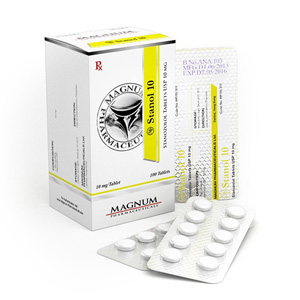
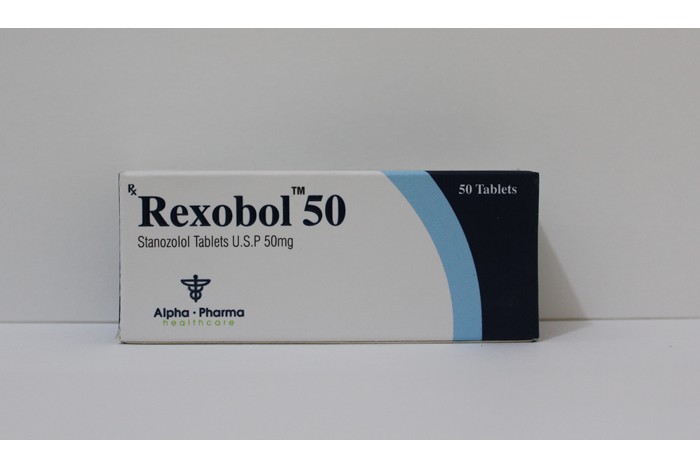
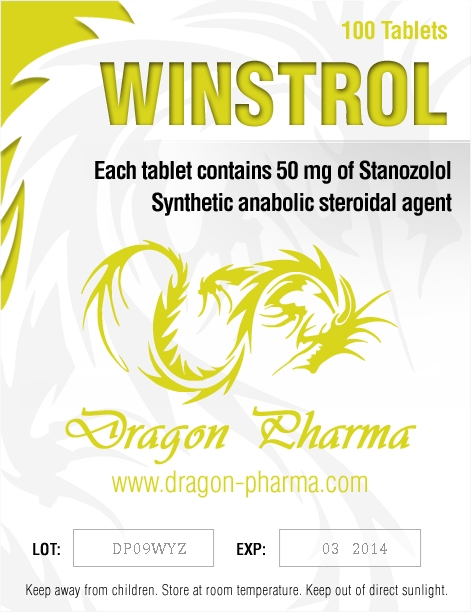
Stanozolol, best known by the brand name Winstrol, is a synthetic anabolic-androgenic steroid derived from dihydrotestosterone (DHT). It is unusual in that it is available both as an oral tablet and as an aqueous, water-based injectable, the latter sometimes called Winstrol Depot. Stanozolol was originally developed for legitimate medical purposes, including the treatment of hereditary angioedema and certain wasting conditions, and it later became one of the most recognisable names in athletic circles, in part because of its association with several high-profile doping cases.
What sets stanozolol apart structurally is a unique modification to the DHT base: it carries a pyrazole ring fused to its structure, which gives it a distinctive profile. It is anabolic enough to be useful for performance yet mild enough in some respects to be considered for a range of users, while remaining firmly a controlled, prescription substance.
How Stanozolol Works
Stanozolol does not aromatize, so it does not convert to estrogen at all. This is the single most important fact about how it behaves: without estrogen there is no estrogen-driven water retention and no risk of estrogen-related gynecomastia, and the physical look it produces is dry and hard rather than full and soft. Beyond this, stanozolol is known for binding to and lowering sex hormone-binding globulin (SHBG), the protein that binds sex hormones in the bloodstream. By reducing SHBG, it can increase the fraction of other hormones circulating in their free, active form, which is one reason it is sometimes paired with other compounds in conditioning contexts.
Effects and Benefits
Stanozolol is valued less for adding bulk and more for the quality and performance it can support. Commonly reported characteristics include:
- Increased strength without significant weight gain
- A lean, vascular, hard appearance due to the complete absence of water retention
- Reduction in sex hormone-binding globulin, which can affect how other hormones circulate
- Improved speed and power relative to added mass, which is why it is associated with athletic performance
- Popularity in cutting and conditioning phases rather than bulking
Oral Versus Injectable
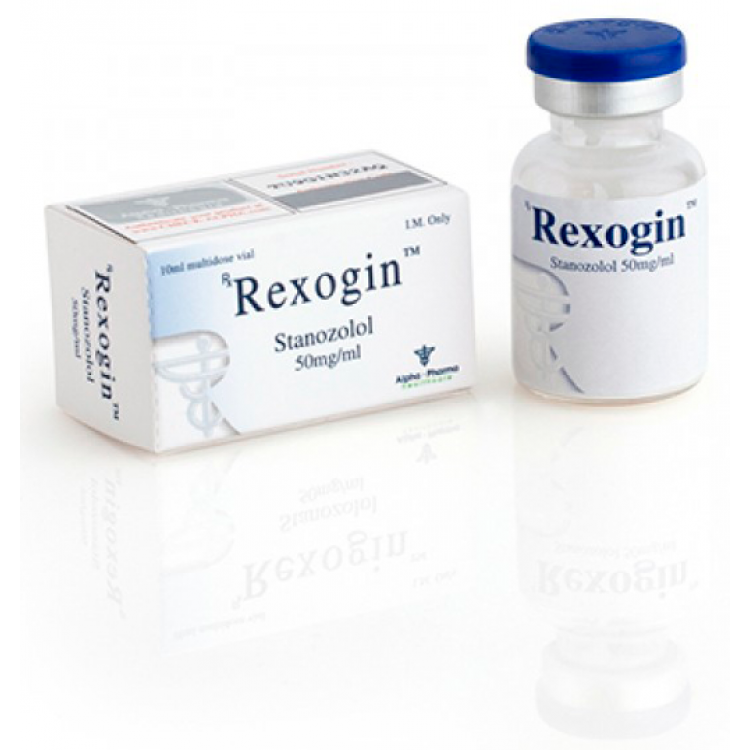
Both forms of stanozolol are 17-alpha-alkylated, an unusual feature for an injectable, which means liver considerations apply to both rather than just the tablet. The injectable is a micro-crystalline water suspension and is well known for being uncomfortable at the injection site, sometimes causing notable soreness. The oral form is far more convenient but shares the same hepatic load. In practical terms the active substance and its effects are the same; the choice between them comes down to convenience versus injection comfort, with neither version being gentle on the liver.
History and Reputation
Few steroids carry as much public recognition as stanozolol, and much of that recognition comes from sport. The compound became a household name through several prominent doping cases in track and field and other sports, where positive tests for stanozolol made international headlines and cemented its association with performance enhancement in the public mind. This notoriety is itself revealing: stanozolol was favoured by sprinters and athletes in part because it offered strength and power relative to comparatively modest weight gain, which suited disciplines where carrying extra mass is a disadvantage. That same property explains why it remains popular among those who want to feel and look strong without bulking up.
Dosage and Administration Context
Stanozolol has a relatively short half-life in its oral form, so it is typically discussed as a daily, often divided, dose to keep blood levels stable. The injectable, despite being a depot preparation, is also water-based and short-acting, so it too is dosed frequently. Because of the liver burden, stanozolol has historically been used for limited periods rather than extended ones, and most often during a cutting or finishing phase when low body fat is already in sight and the goal is hardness and definition rather than size. Used on already-lean tissue, its dryness and vascularity show most clearly, whereas on a softer physique those signature effects are largely hidden.
Cycles and Stacking
In historical athletic and clinical use, stanozolol was favoured when athletes wanted strength and definition without added mass. It is typically considered a finishing or cutting compound rather than a foundation. Because it suppresses natural testosterone, it has usually been combined with a testosterone base rather than used in isolation, and it has often been stacked with other non-aromatizing compounds to enhance a dry, conditioned look near the end of a preparation. As with all anabolic steroids, it is prescription-only in most jurisdictions, and non-medical use carries legal and medical consequences.
Side Effects and Precautions
- Liver stress, given its 17-alpha-alkylated structure in both oral and injectable forms
- Adverse effects on cholesterol, notably a reduction in HDL and an increase in LDL
- Joint discomfort and dryness, often attributed to reduced lubrication and the loss of water in connective tissue
- Androgenic effects such as acne, hair loss in predisposed individuals, and increased body hair
- Suppression of natural hormone production
- A risk of virilisation in women, although its relatively mild androgenic profile means it is sometimes discussed in female contexts at low amounts
The combination of liver and cholesterol strain makes blood work and medical supervision especially important with stanozolol. The joint dryness it can cause is a particularly common complaint and a reason many find it uncomfortable for heavy training. It is potent but far from risk-free, and it should never be viewed as a casual addition to any regimen.
Post-Cycle Therapy
Because stanozolol suppresses the body\'s own testosterone, a recovery protocol is generally considered necessary after a course of use to help natural hormone production return to baseline. Its short clearance time means recovery can begin relatively soon after the last dose, but the suppression it causes still needs to be addressed deliberately rather than assumed to resolve on its own.
Frequently Asked Questions
Does Winstrol cause water retention?
No. Stanozolol does not aromatize, so it produces a dry, hard look rather than the fullness associated with water retention.
Is the injectable safer for the liver than the tablets?
No. Both the oral and injectable forms of stanozolol are 17-alpha-alkylated, so both carry liver considerations.
Why does Winstrol cause joint pain?
It is widely attributed to the loss of water in and around the joints, which reduces lubrication and can leave connective tissue feeling dry, especially during heavy training.
Why is stanozolol used near the end of a contest preparation?
Its dry, hard, vascular look only shows clearly on already-lean tissue, so it is most useful in the final phase when body fat is low and the goal is conditioning and definition rather than building size.
Does stanozolol build a lot of muscle?
It is not primarily a mass builder. Its value lies in strength, hardness and a lean appearance with little weight gain, which is exactly why it is associated with cutting and athletic performance rather than bulking.
Summary
Stanozolol, or Winstrol, is a non-aromatizing DHT-derived steroid prized for strength and a dry, defined look. It is available as both oral tablets and a water-based injection, both of which carry liver and cardiovascular concerns. Its reputation is built on conditioning rather than mass, but its side-effect profile demands caution and monitoring.
You may also like: Boldenone results
You may also like: Methenolone Enanthate
You may also like: Human Growth Hormone
You may also like: Stanozolol injection
You may also like: Sustanon 250
You may also like: Testosterone Enanthate
You may also like: Trenbolone Enanthate
You may also like: Winstrol Depot